Welcome to the second edition of The Gardening Network’s 2026 Shopping Guide!
Fall brings a different kind of gardening rhythm. The days begin to cool, gardens shift with the seasons, and gardeners start thinking about planting, preserving, creating, reading, gifting and simply enjoying the spaces they’ve worked so hard to grow.
For our Fall 2026 edition, we’ve gathered a collection of products that caught our attention for their usefulness, creativity, beauty and connection to the gardening life. You’ll find gardening books, tools, outdoor accessories, botanical-inspired gifts, natural beauty products, décor and a few wonderfully unexpected discoveries.
Some are practical. Others are beautiful. All make terrific gifts. And a few simply made us stop and say, “I want that.”
As with our Spring edition, these seasonal guides are designed to remain available as an evergreen resource for gardeners looking for something new, useful or a little different. Bookmark this page for future reference.
Whether you’re shopping for yourself, looking ahead to the holidays, or searching for a gardener who already seems to own everything, we hope you’ll find something here that inspires you.
Editor: Siobhan Shaw
Founder of The Gardening Network
Co-Founder of Growing to Give
Creator of the Cancer Bites Podcast & Community
Garden expert and writer for national magazines
Social Media Editor: Haley Fox, writer and social media manager for Cancer Bites
Reviewers: Lisa Roberts, horticulturalist, and Siobhan Shaw
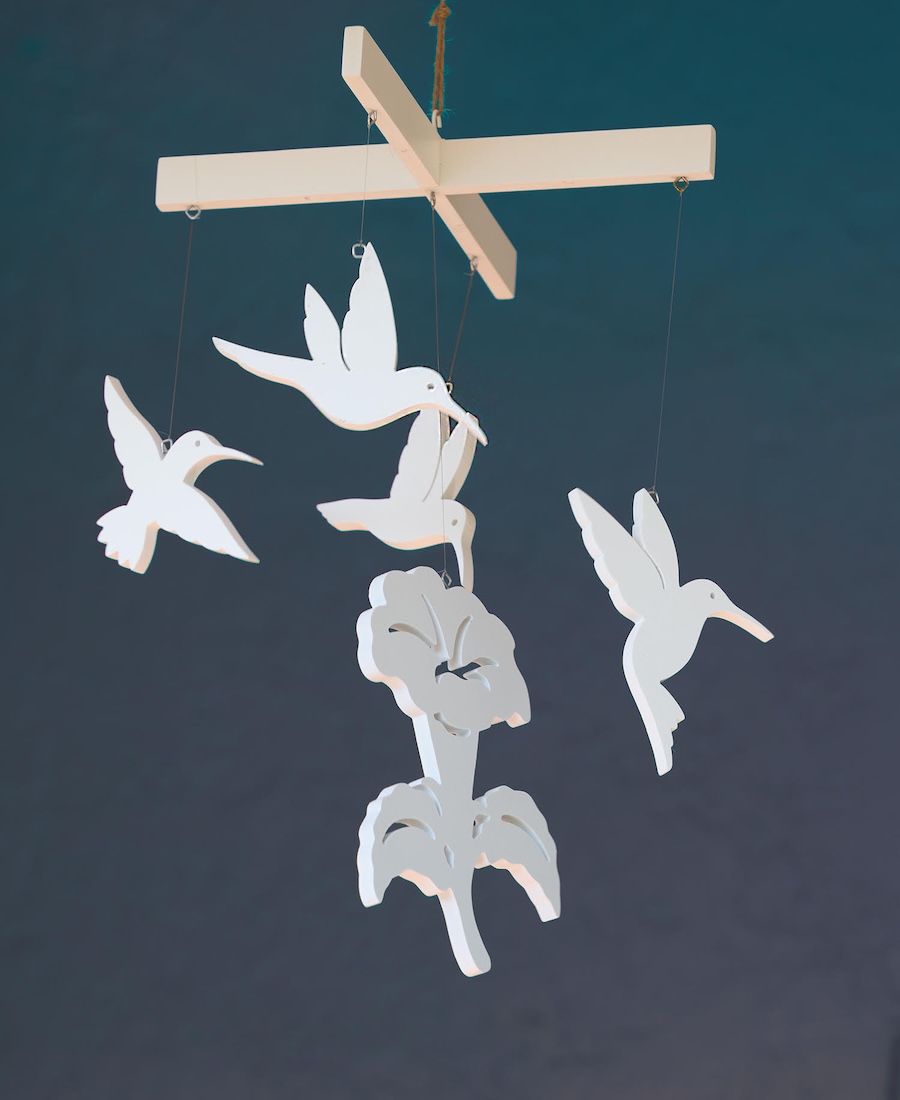
Nature Brackets’ Hummingbird Mobile Kit brings a little garden creativity to the porch, patio or outdoor living space. The DIY kit includes four white hummingbirds, a flower, crosspieces and hanging materials.
The pieces can be displayed in their original white finish or painted before assembling the mobile, giving gardeners an afternoon project that ultimately becomes outdoor décor.
Nature Brackets is a family-run Florida company creating original nature-inspired outdoor décor. Each design begins with an illustration by founder and professional cartoonist Dave Horton before being produced in the USA using durable, weather-resistant PVC.
The colors I could choose for the hummingbirds are what had me excited about this one. Painting the hummingbirds was fun and gave me something creative to fill an afternoon doing. I liked that this wasn't simply a garden decoration that arrived finished. I got to put my own personality into it.
For gardeners who enjoy hummingbirds, DIY projects or adding a little whimsy to their outdoor spaces, this one hits several notes at once.
This is more garden-inspired décor than a functional hummingbird feeder or habitat feature. Its real value is the combination of creativity and personality it brings to an outdoor space.
Nature Brackets’ Hummingbird Mobile Kit combines garden-inspired décor with a hands-on creative project. Instead of simply hanging another finished ornament outdoors, gardeners can choose their own colors, paint each piece and create a mobile that feels personal to their garden, porch or patio.
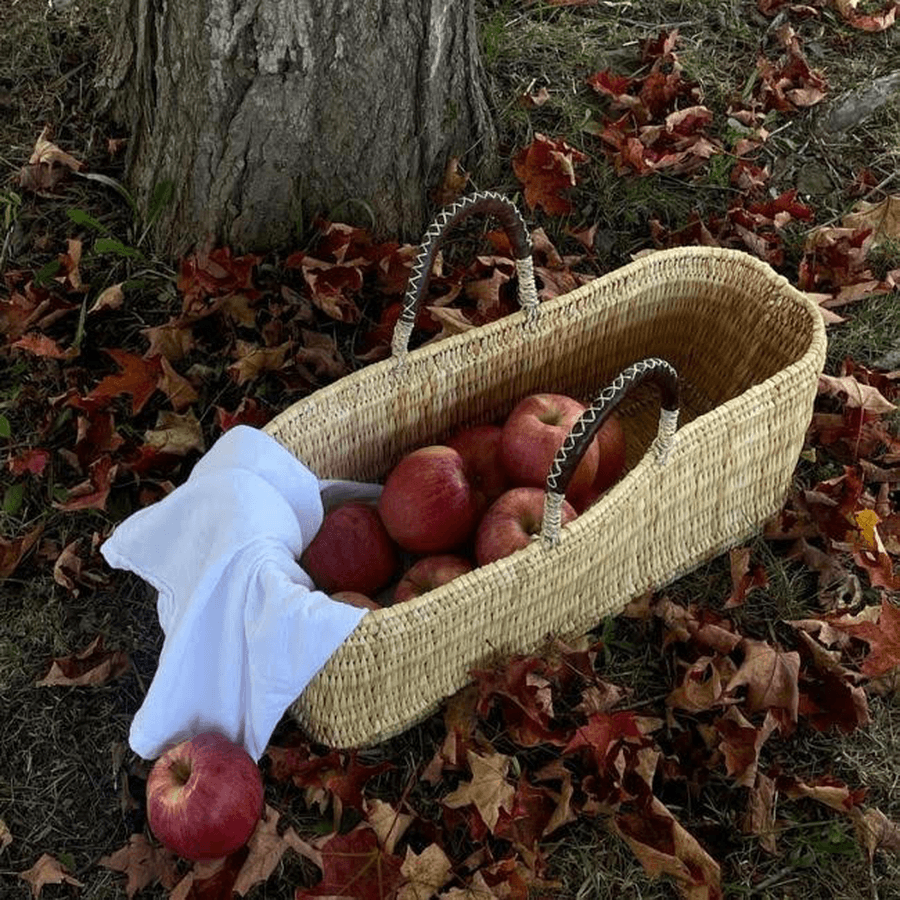
A handwoven harvest basket designed for carrying produce, flowers, and garden bounty, then continuing to earn its keep around the home once the growing season winds down. The long shape helps keep apples, beans, tomatoes, dahlias, and other harvests contained, while leather handles make it easy to carry from garden to kitchen.
Kaaterskill Market is an independent shop in Catskill, New York, specializing in baskets and natural homewares. The Gardener’s Long Basket is handmade in Morocco from woven palm leaves with naturally tanned leather handles.
This is the kind of garden tool we like to see: useful during harvest season and not destined for the back of a shed once November arrives. A basket that carries tomatoes from the garden can later hold potatoes and onions in the pantry, kindling beside the fireplace, or seasonal decorating supplies. That versatility makes it feel like something you’ll actually use for years rather than a single-purpose garden accessory.
Its natural materials and handmade construction give it a character that mass-produced plastic harvest baskets simply don't have. The long profile is particularly useful for a gardener carrying an assortment of produce or flowers, while the leather handles make transporting a full basket easier.
A harvest basket gets bonus points when it doesn't become another piece of garden equipment you have to find storage for. This one transitions naturally from garden to kitchen to home, making it especially appealing for gardeners who appreciate useful objects that can have more than one life.
Kaaterskill’s Gardener’s Long Basket combines traditional handmade craftsmanship with genuine everyday usefulness. It works beautifully for gathering garden produce and flowers during the growing season, then transitions naturally into pantry storage, home organization or seasonal décor when the harvest is over.
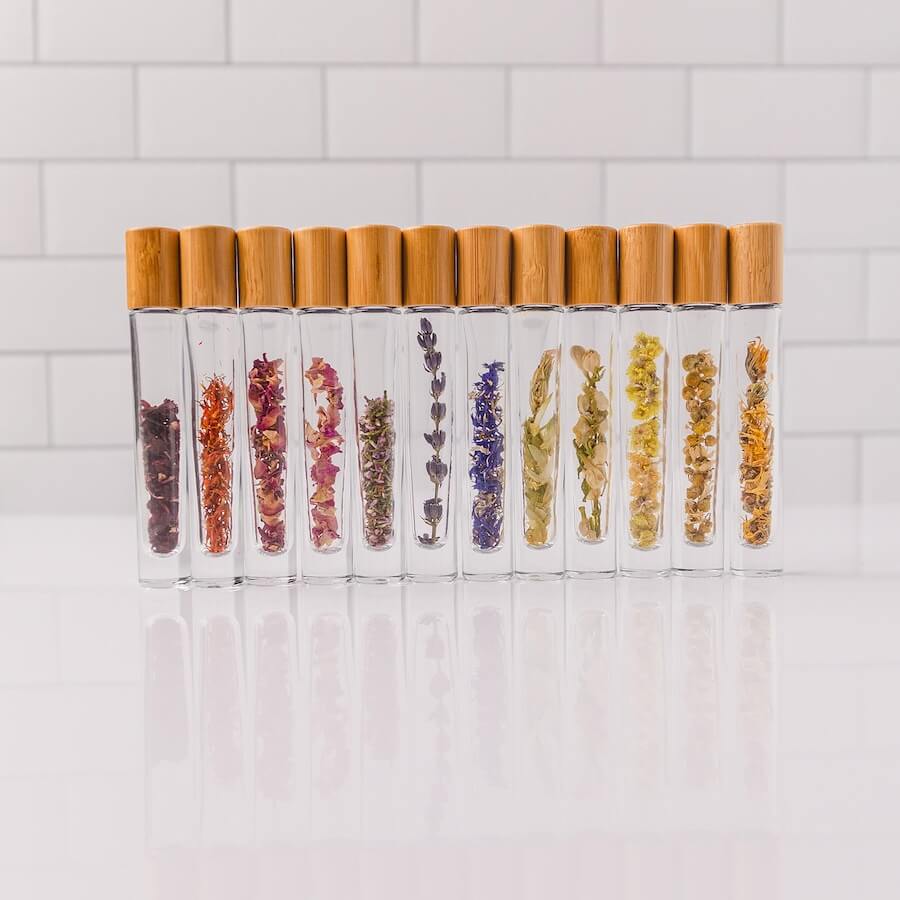
Beautiful glass roller bottles filled with organic flowers and botanicals, designed for people who enjoy creating their own essential-oil blends. The botanicals make each bottle feel more like a little garden in your hand, while the roller format makes homemade blends easy to carry and use.
Silver Orange brings together essential oils, crystals and thoughtful design to create small, meaningful products for everyday rituals. Made in the U.S., the company focuses on natural ingredients and simple ways to make moments of self-care feel more personal and intentional.
This is one of those products that doesn't need to be a gardening tool to belong in a garden lover's gift guide. Gardeners tend to appreciate beautiful botanicals, natural ingredients and things they can make themselves. These bottles turn that interest into a small DIY project, and they’re pretty enough to give as a gift even before the blending begins.
Choose an essential oil or combination of oils, add a carrier oil, and fill the roller bottle according to the recommended dilution. A lavender essential-oil blend in a lavender-botanical roller would be an especially lovely beginner project.
The bottles themselves are part of the gift. Rather than another plain roller bottle tucked into a bathroom drawer, the organic flowers and botanicals make these decorative, giftable and personal. Made in the USA.
No, this won't help you grow a tomato. But it does capture something gardeners understand well: the pleasure of working with plants, choosing what you love and turning it into something useful. For gardeners who also enjoy essential oils and DIY projects, that's a pretty natural crossover.
Silver Orange Boutique is also a returning Cancer Bites donor. The brand contributed to the Cancer Bites gift bags distributed through Arizona Center for Cancer Care in June and is once again giving back for the 2026 holiday campaign.
This time, Silver Orange is donating 280 gemstone gifts with “Strong and Brave” affirmation cards for patients. Rebecca, the company’s owner, told us her children even joined the effort, helping fill the individual gem-and-card bags for the donation.
Silver Orange Boutique’s Botanical Roller Bottles combine flowers, creativity and DIY self-care in a giftable little package. The organic botanicals make each bottle visually distinctive, while the empty roller format lets the recipient create an essential-oil blend that is completely their own.
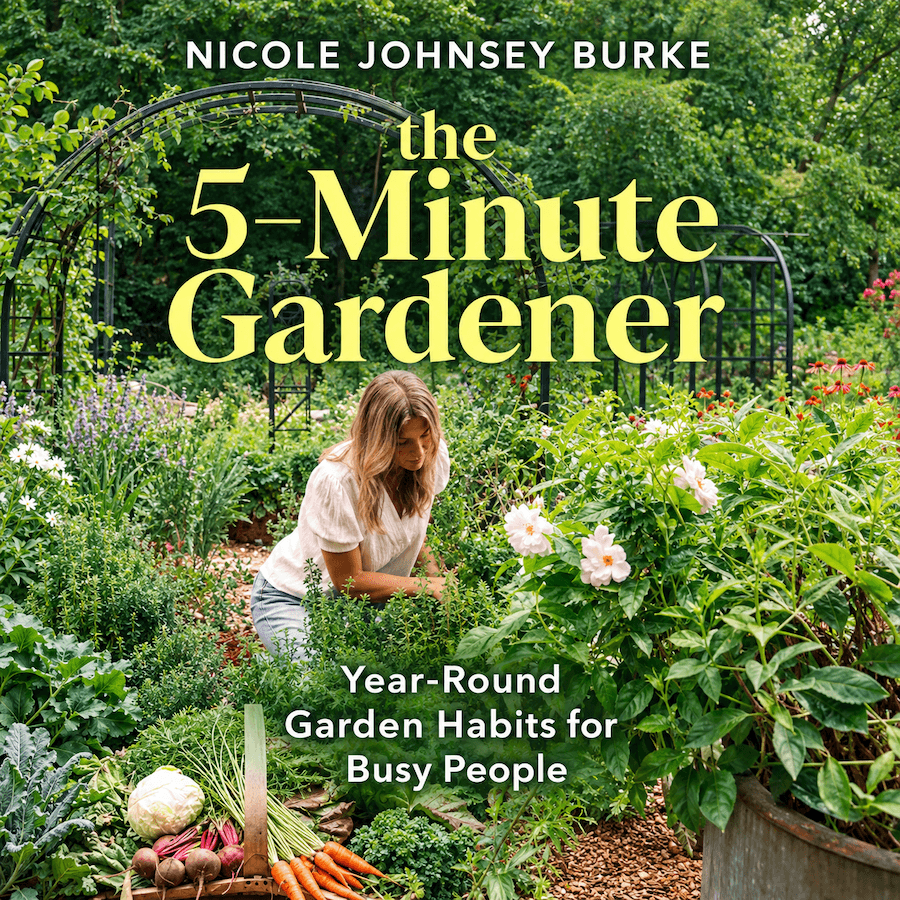
By Nicole Johnsey Burke | Hay House Publishing
Think you don't have enough time to garden? Nicole Johnsey Burke's The 5-Minute Gardener: Year-Round Garden Habits for Busy People makes a compelling argument that five minutes a day can make a difference.
Rather than organizing the book around the traditional four seasons, Burke divides the gardening year into Cold, Cool, Warm and Hot seasons, making the advice more adaptable to different climates and growing conditions. Each season breaks down into manageable gardening tasks, helping you figure out what to plant, tend and harvest without feeling like the garden has become another full-time job.
Nicole Johnsey Burke is the founder of Gardenary and the author of Kitchen Garden Revival and Leaves, Roots & Fruit, both of which we featured in the first edition of The Gardening Network.
Her approach is centered on making kitchen gardening approachable and achievable, whether you're working with a windowsill, a few containers or a full backyard garden. Hay House published The 5-Minute Gardener in 2025.
I reviewed this book during the hot summer season in Arizona, so naturally I headed straight for the Hot Season section with my trusty highlighter pen in hand.
That was where this book really clicked for me. Instead of telling a desert gardener what everyone else is planting in June, Burke gets into the crops that can actually handle the heat. Armenian cucumbers, okra and muskmelon are among the hot-weather choices, along with other heat-loving vegetables, fruits and herbs.
For gardeners in extreme climates, that seasonal approach makes much more sense than simply following a calendar. Your garden doesn't care what month it is. It cares about the conditions it's growing in.
And the five-minute concept? That's the part I really like. Five minutes feels doable. Five minutes to check moisture, harvest what's ready, pull a weed, inspect a plant or tackle one small garden job can keep you connected to what is happening outside.
Start with the season you're actually experiencing, then narrow it down to the month, week and day. Burke breaks gardening tasks into small, manageable pieces so you aren't staring at a giant to-do list wondering where to begin.
Keep the book handy and use it as a daily garden guide rather than something you read once and put back on the shelf.
The beauty of The 5-Minute Gardener is its practicality. It doesn't assume you have unlimited time, perfect weather or a giant garden.
It turns gardening into a habit rather than a project. Five minutes today. Five minutes tomorrow. Keep showing up and the garden gets the attention it needs.
For busy gardeners, new gardeners and anyone who has ever looked at an overgrown garden and thought, Where do I even start?, that's a pretty useful prescription.
Five minutes won't magically transform a neglected garden overnight. But five minutes every day adds up.
I especially appreciate that Burke's system acknowledges that gardening seasons aren't the same everywhere. A gardener in Arizona can be dealing with brutal heat while another gardener is harvesting tomatoes or preparing for frost. The book gives you a framework based on your growing conditions instead of forcing every gardener into the same calendar.
And yes, I went straight to the Hot Season chapter. Highlighter included.
The 5-Minute Gardener takes one of the biggest barriers to gardening — time — and turns it into something manageable. Its Cold, Cool, Warm and Hot season approach also makes the advice far more useful for gardeners living in climates that don't fit neatly into a traditional four-season calendar.
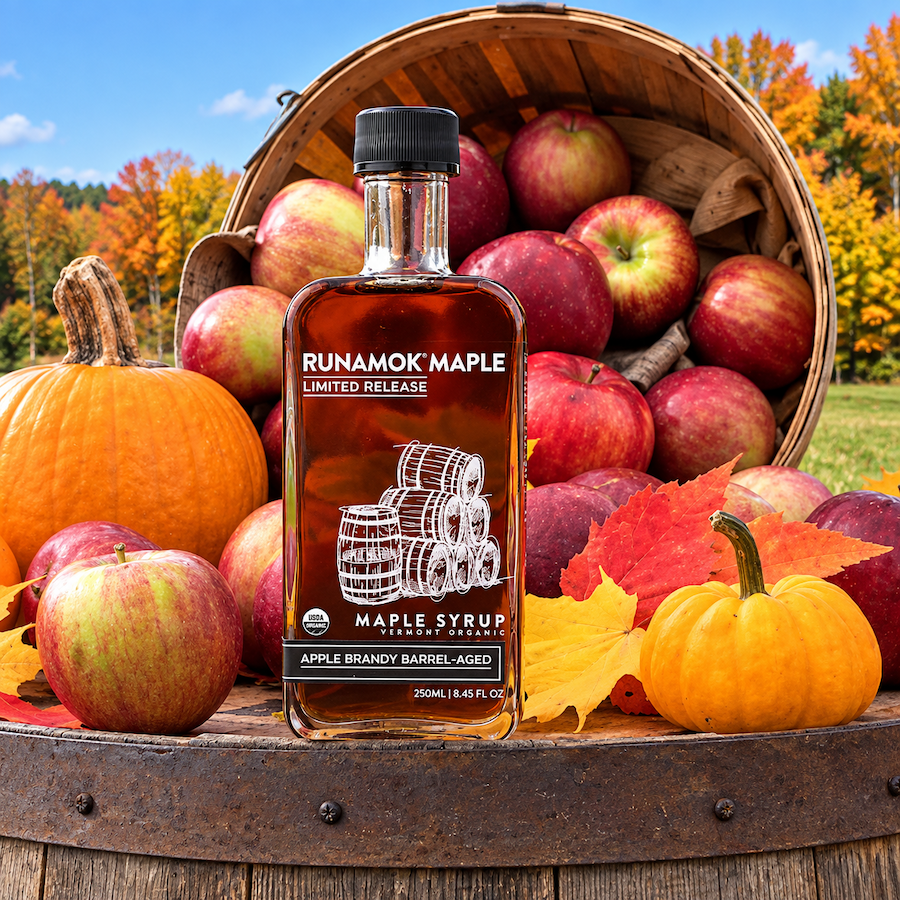
Fall has arrived when the maple syrup comes out.
Runamok Maple makes pure maple syrup in a range of flavors, including seasonal and infused varieties that bring something beyond sweetness to the breakfast table. Pour it over pancakes, waffles or French toast, stir it into a warm drink, or use it to add a little maple magic to fall cooking and baking.
Runamok Maple is a Vermont-based maple syrup company that celebrates the flavor and versatility of real maple syrup. The company works with Vermont maple producers and creates a range of traditional, infused and barrel-aged maple syrups designed for both everyday breakfasts and cooking.
This tastes like the season of pumpkin spice.
It is the kind of maple syrup that makes you want to heat up the griddle, pull out the pancake batter and invite everyone to the kitchen. One bottle can take you right from the fall equinox through Thanksgiving and into the Christmas holidays.
For gardeners, there is something particularly satisfying about seasonal food traditions. The garden may be slowing down, but weekend breakfasts give us another reason to gather around the table and enjoy the season.
My recommendation? Make the pancakes, pour generously and don't worry about saving the good syrup for a special occasion. Saturday morning counts.
Pour over pancakes, waffles, French toast or oatmeal. Use it in fall baking, marinades, glazes, cocktails and sauces, or experiment with it as a natural sweetener in recipes.
Runamok turns maple syrup into a seasonal experience. The flavored varieties give cooks and gardeners another way to bring fall flavors into the kitchen, while traditional maple syrup remains a breakfast staple.
And unlike a fall decoration that gets packed away after Thanksgiving, this is a seasonal treat you can actually eat.
The garden may be winding down, but that doesn't mean the gardener's work is over. Fall is harvest, preserving, baking, gathering and enjoying what the season gives us.
A bottle of good maple syrup fits beautifully into that transition from garden to kitchen table.
Runamok Maple Syrup takes a familiar pantry staple and turns it into part of the fall experience. From traditional pure maple to seasonal and infused varieties, it moves effortlessly from weekend pancakes to holiday baking, warm drinks and fall entertaining.

EarPeace EVERYDAY Earplugs are reusable, noise-reducing earplugs designed to lower disruptive everyday sounds while allowing you to remain aware of what is happening around you. They’re particularly useful around lawn mowers, leaf blowers and other noisy power tools, as well as in busy restaurants, urban environments and other situations where you want to turn down the volume without completely tuning out.
EVERYDAY uses acoustic filter technology designed to reduce noise without distorting sound and is made for comfortable extended wear.
EarPeace creates hearing protection designed to help people enjoy their surroundings while reducing exposure to disruptive noise. The company focuses on reusable earplugs and acoustic filter technology for everyday life, work, travel, recreation and other noisy environments.
What did you say??
From loud snorers to loud music, a noisy restaurant or a room full of chatter, there are times when you just need some peace. I like that EarPeace EVERYDAY reduces the surrounding noise without making you feel completely disconnected from what’s happening around you.
Perhaps one person watching TV can’t hear well and likes the volume turned up, but the other can hear the show dialogue clearly. Give them EarPeace and hear the whole story. No lip reading required.
They’re small, practical and easy to keep handy, which makes them something I could see tossing into a gardening bag, purse or pocket and forgetting about until I need them.
Use EarPeace EVERYDAY when you want to reduce surrounding noise while maintaining awareness of your environment.
Gardeners spend plenty of time around equipment that can get seriously loud. A little hearing protection can make outdoor chores more comfortable, particularly when you’re using a mower, blower or other power equipment.
And let’s be honest, gardening isn’t always the peaceful experience pictured in the catalogs. Sometimes the neighborhood is buzzing, the leaf blower is roaring and someone nearby is having a very enthusiastic conversation. Having a way to turn down the volume without completely shutting out the world is a pretty useful gardening accessory.
EarPeace EVERYDAY Earplugs are one of those small accessories that can make a surprisingly big difference. They help take the edge off lawn equipment, busy surroundings and everyday noise while still letting you stay connected to what is happening around you — useful in the garden and well beyond it.
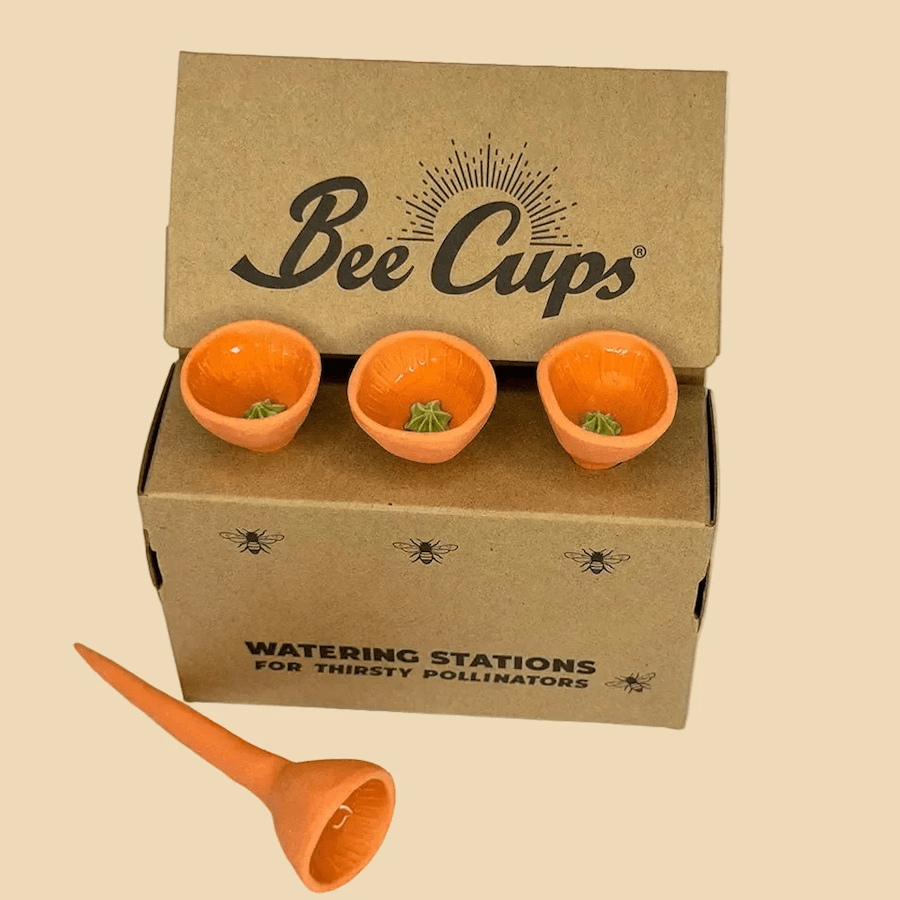
Give the bees a drink!
Bee Cups® are handmade porcelain flower-shaped watering stations designed specifically for thirsty pollinators. Each cup holds enough water to provide bees with a drink, but not enough to create a standing-water situation that can become a mosquito nursery.
The Pumpkin Patch 3-Pack, with orange cups and green centers, brings a little fall color to the garden while serving an important purpose for bees and other pollinators.
Bee Cups were created by eco-artist Jen Rose, who combines handmade art with fascinating pollinator science. The porcelain cups feature a specialized ultraviolet ceramic glaze that mimics some of the visual signals flowers use to attract bees. The ultraviolet effect is invisible to us but can be seen through bees' unique ultraviolet vision.
Bee Cups are made in the USA using locally sourced materials. The company also focuses on sustainability, using zero plastic in its packaging and production, recycling unusable Bee Cups and working toward a zero-waste process.
I love garden products that make you stop and think about the garden from another creature's point of view.
We see a pretty porcelain flower. A bee sees something entirely different, thanks to its ultraviolet vision. That makes Bee Cups more than a decorative garden accessory. They bring together art, science and a simple way to make the garden a little more welcoming to pollinators.
And the Pumpkin Patch is particularly fun for fall. The orange color fits right into the season without turning the garden into a pumpkin patch.
Place the Bee Cup in or near a garden where bees and other pollinators are active. Keep it filled with fresh water and check it regularly, particularly during hot, dry weather.
Positioning it near flowering plants gives visiting pollinators an easy place to stop for a drink while they're working their way through the garden.
Art meets bee science.
The handmade porcelain flower is beautiful enough to become part of the garden's design, while the ultraviolet Bee Vision™ glaze adds a fascinating scientific element that connects the product directly to the way bees experience flowers.
It's also a small garden addition with a very practical purpose: providing pollinators with accessible drinking water.
Bees need water, particularly when the weather is hot and dry, but garden watering stations need to be designed carefully. The Bee Cup's small capacity means you're providing a drinking spot without creating a large pool of stagnant water.
As with any garden water source, keep it clean and refreshed regularly. The bees will appreciate the housekeeping.
Bee Cups is also supporting the 2026 holiday Cancer Bites gift bag campaign. The company generously donated 50 Pumpkin Patch Bee Cups, featuring orange cups with green centers.
It's the first time Bee Cups has participated in the Cancer Bites gift bag program, bringing a little beauty, pollinator inspiration and garden joy to patients receiving the holiday gift bags.
Bee Cups® Pumpkin Patch combines handmade garden art, pollinator science and practical wildlife support in one tiny package. The orange-and-green fall colors are charming, but the real appeal is giving thirsty bees and butterflies a safe place to stop for water while adding something distinctive to the garden.
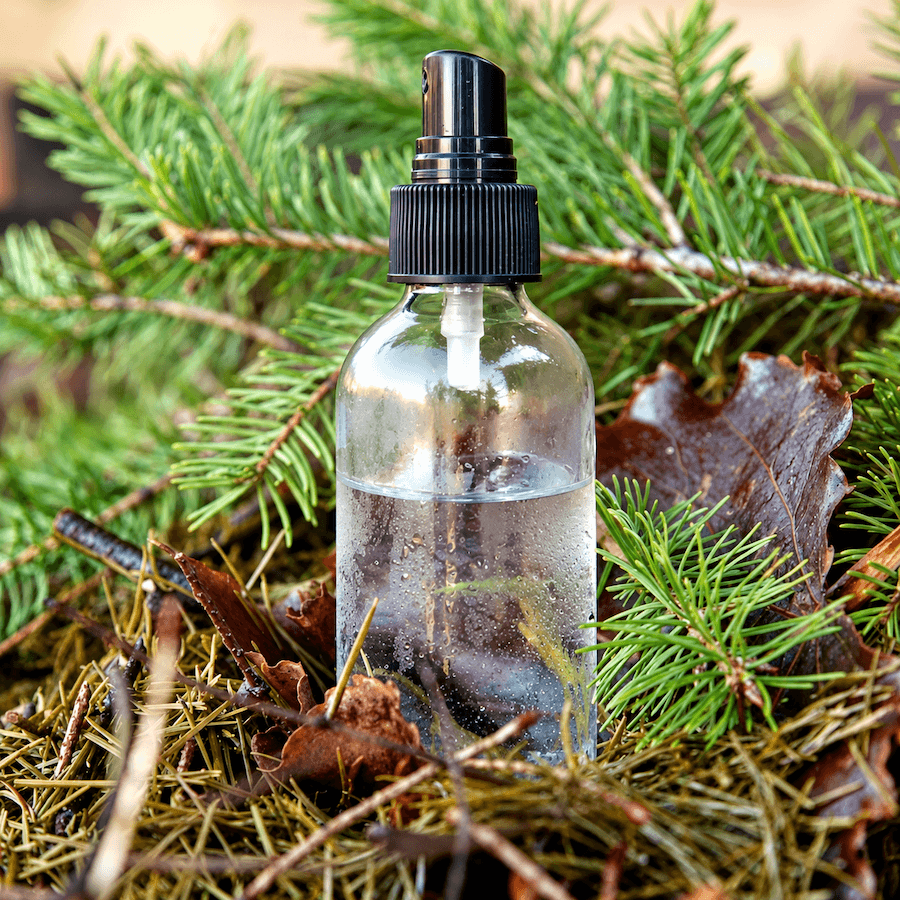
Who says a gardening guide can't include a little skincare? HydroSoul is an artisan-distilled facial tonic made from fresh, organic Douglas fir. It is designed to tone, hydrate and refresh skin, with an earthy scent of pine, lemon and a touch of butterscotch.
For gardeners, it is an easy after-the-garden refresh, especially after spending hours outdoors in the sun, heat and dust.
evanhealy connects skincare with regenerative agriculture, making the health of the soil part of the story behind the product. The brand works with farmers, artisan distillers and botanical stewards to source plant ingredients and describes itself as the world's first Regenerative Organic Certified® beauty brand.
The philosophy makes sense for gardeners: healthy soil supports healthy plants, and healthy plants provide the botanical ingredients that go into the products we use.
Well, this was a first for The Gardening Network.
No one has ever pitched me a beauty product for the gardening guide, but I'm glad evanhealy thought beyond the garden fence.
I tried the Douglas Fir HydroSoul and was genuinely impressed with how my skin felt afterward. It left my face soft, refreshed and surprisingly youthful-looking, and I could still see and feel the difference the next morning.
That got my attention.
I can see this becoming especially welcome after a long day outdoors. This coming year, I'll be spending plenty of time outside teaching others how to grow food, so having something refreshing to mist onto my face after gardening and teaching sounds pretty darn good.
And there is a lovely bit of timing here. We recently received a huge donation of Douglas fir trees for our Washington/Arizona-based Growing to Give 501(c)(3), and then this pitch arrived. That's what I call garden synergy.
Mist 5–10 sprays of HydroSoul onto clean skin and gently press it in. Use throughout the day to tone, hydrate and refresh, or pair it with an oil serum or moisturizer for additional hydration.
It can be especially nice after spending time outdoors or whenever skin feels dry or tired.
It brings an unexpected connection between the garden and personal care. The product starts with a botanical ingredient and a regenerative-agriculture philosophy, then ends up as something you can reach for after a day working with plants.
And in my testing, my skin didn't just feel refreshed. It looked noticeably softer and more youthful the next morning.
This isn't a garden tool, and it isn't going to help your tomatoes grow. That's precisely why it is a fun addition to the guide.
Gardeners spend plenty of time thinking about soil, plants and what we're growing. We don't always remember that our own skin is taking a beating while we're out there doing it.
The Douglas fir scent is earthy and distinctly botanical, so if you prefer completely fragrance-free skincare, take note.
evanhealy Douglas Fir HydroSoul takes the garden-to-self-care connection in an unexpected direction. Made with fresh Douglas fir and rooted in a regenerative-agriculture philosophy, it gives gardeners a refreshing botanical ritual for the end of a long day outdoors.
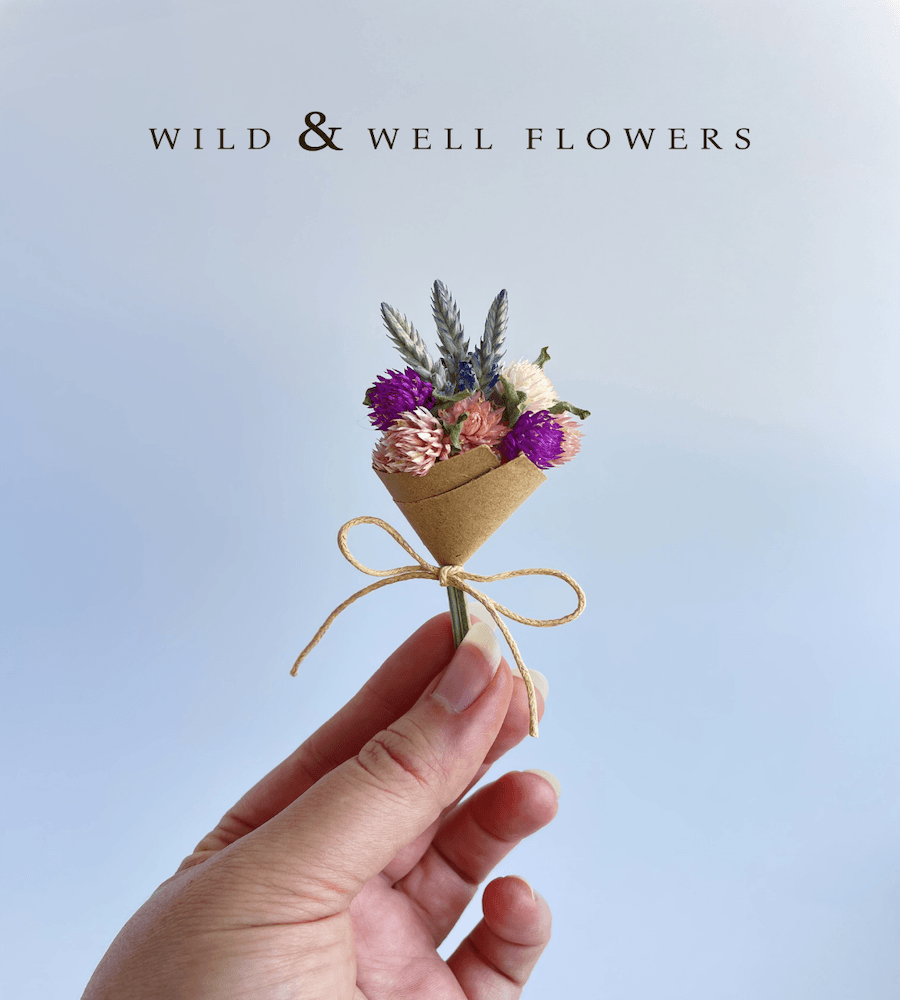
A tiny bouquet for the fridge? Absolutely.
The Mini Dried Bouquet Magnet from Wild & Well Flowers is a real dried flower arrangement, handcrafted into a miniature bouquet that attaches to a magnetic surface. The flowers are grown and gathered with an emphasis on sustainability, seasonality and the natural character of each bloom.
It is a little piece of the garden that doesn't disappear when the growing season does.
Wild & Well Flowers is a small flower farm and studio based in Chandler, Arizona, creating handcrafted floral gifts from locally grown and gathered flowers.
The farm takes a thoughtful approach to growing, focusing on biodiversity, pollinators and natural growing practices. Flowers are hand-harvested and naturally air-dried without preservatives. The farm avoids artificial herbicides and pesticides, doesn't grow flowers in monocultures and minimizes plastic use wherever possible.
Rather than relying on imported, air-freighted flowers, Wild & Well Flowers keeps its blooms close to home.
This one immediately earned a place of honor on my refrigerator, right beside my Arizona calendar.
I have honestly never seen anything quite like these tiny dried bouquets. It isn't a picture of flowers on a magnet. It is an actual little bouquet, carefully handcrafted from real flowers.
For gardeners, there is something especially appealing about being able to keep flowers around long after the garden has finished blooming. We spend months growing, tending and enjoying our flowers, so extending their life in a miniature bouquet feels like a lovely way to hold onto the season.
And because this one is grown and made right here in Chandler, it has an extra bit of Arizona charm for me.
Attach the Mini Dried Bouquet Magnet to your refrigerator, filing cabinet, magnetic board or any other magnetic surface.
It makes an easy little gift for a gardener, flower lover, teacher, friend or anyone who enjoys bringing natural elements indoors.
It is a real bouquet in miniature.
The flowers are locally grown, hand-harvested and naturally dried, so every magnet has its own character. No two bouquets need to look exactly alike, which is part of the charm.
It also offers something gardeners don't always get from flowers: longevity. Instead of enjoying a bloom for a few days, you get to keep this tiny reminder of the garden around much longer.
There is no substitute for walking outside and picking a fresh flower from your own garden. But when the garden isn't blooming, this is a pretty wonderful consolation prize.
And let's be honest, the refrigerator is already prime real estate. Why not give some of that territory back to the garden?
Wild & Well Flowers’ Mini Dried Bouquet Magnet takes something gardeners already love — real flowers — and turns them into a tiny piece of lasting garden art. Locally grown, naturally dried and individually handcrafted, each miniature bouquet preserves a little bit of the growing season long after the flowers outside have faded.
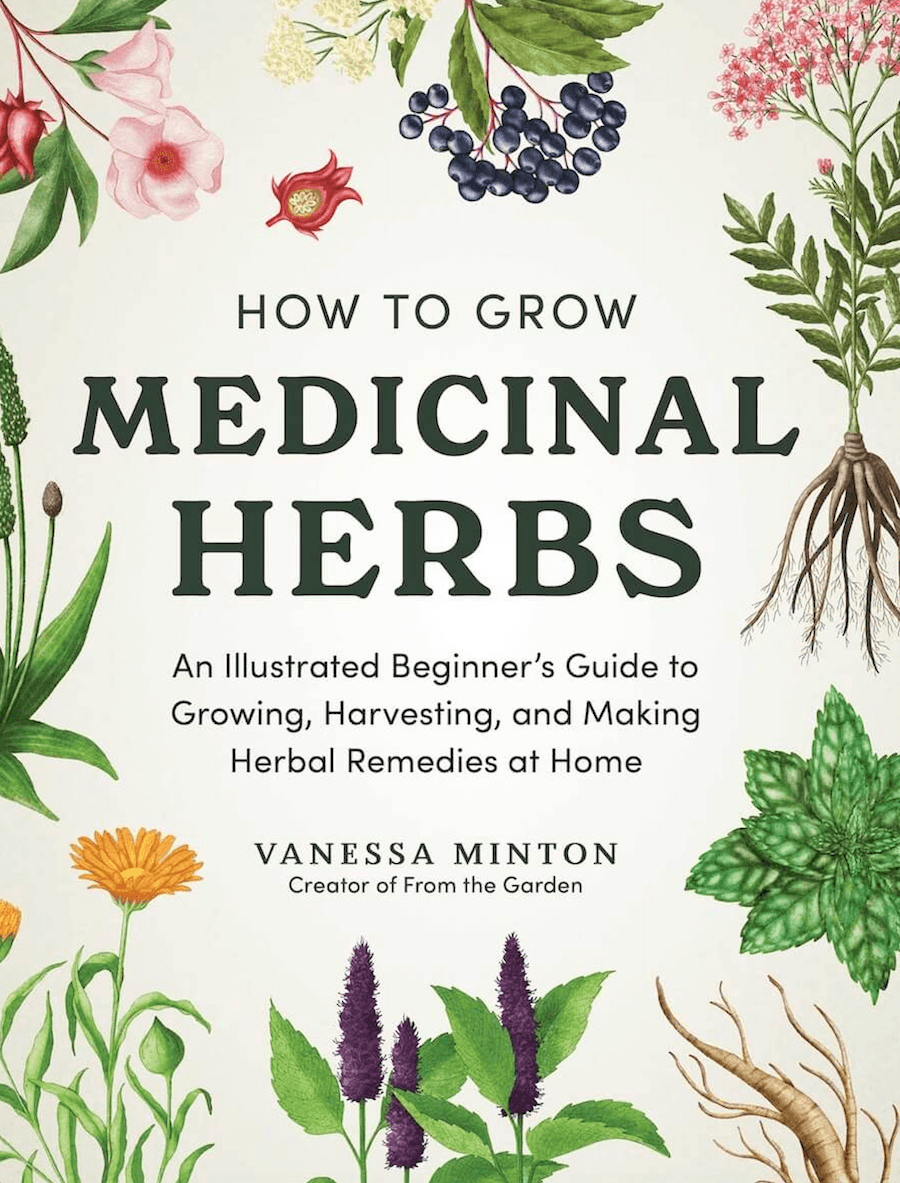
How to Grow Medicinal Herbs by Vanessa Minton is a practical introduction to growing, harvesting and caring for medicinal herbs at home. The book covers the basics, from preparing soil and starting seeds to caring for plants, harvesting, drying and storing herbs.
What makes it particularly appealing is that it can be approached as more than a gardening book. It can become a hands-on way for families, educators and beginning gardeners to explore the world of herbs together.
Vanessa Minton brings gardening and herbal knowledge together in an approachable format designed to make growing medicinal herbs feel manageable rather than intimidating.
Lisa Roberts, horticulturist, Texas farmer and founder of Mimi’s Country Porch, took a wonderfully different approach to this book. Rather than looking at it strictly through the eyes of an herbalist, she looked at it through the eyes of a teacher working with children.
And I think she is onto something.
Kids are naturally curious about plants. They want to touch the leaves, smell the herbs, watch seeds sprout and understand what makes each plant different. A book like this can turn a garden into a classroom without requiring a classroom.
Lisa sees possibilities for using the book with gardening clubs, classrooms and families, teaching children about planting, harvesting, stewardship and the many ways herbs have traditionally been used.
For adults, it also works beautifully as an approachable introduction to medicinal herb gardening. You don't need a huge garden. A sunny patio, balcony or windowsill can be enough to get started.
Use the book as a reference while planning and growing an herb garden. Families and educators can also use individual herbs as hands-on lessons, following the growing process from seed to harvest.
It makes medicinal herb gardening feel approachable while opening the door to something bigger: learning by growing.
I particularly like Lisa's idea of introducing the book to children. Gardening becomes science, nature study, responsibility and a little bit of magic all at once.
Medicinal herb gardening is still gardening. Seeds don't always germinate, plants get pests, weather changes and some herbs will thrive while others decide they have completely different plans.
And while the book introduces readers to herbs and their traditional uses, growing an herb doesn't automatically make every home remedy appropriate or safe. Readers should research medicinal use carefully and consult a qualified healthcare professional when appropriate.
How to Grow Medicinal Herbs makes growing useful and fascinating plants approachable for beginners while offering something extra for families and educators. It can serve as both a practical garden reference and a hands-on introduction to plant science, stewardship and the traditional world of herbs.


Sara Sela Jewelry is a handmade, small-batch jewelry company based in Chicagoland, creating lightweight, nature-inspired pieces with natural gemstones and organic designs. The collection brings together earthy colors, botanical forms and wearable statement pieces, making it an especially natural fit for a fall gardening gift guide.
Our featured pieces include the Watermelon + Fern Earrings, Mushroom Jasper Cuff and Amethyst Pebble Necklace. Each has its own seasonal appeal, from colorful watermelon tourmaline and golden brass fern leaves to earthy jasper tones and deep purple amethyst.
Sara Sela Jewelry was founded by designer Sara Mizrachi. Sara had loved making jewelry since childhood and opened her jewelry business when she was 18. At age 22, however, she was diagnosed with thyroid cancer and underwent surgery that left her with a sensitive scar on her neck.
The heavier statement jewelry she once enjoyed was no longer comfortable, so Sara began creating simpler, lighter pieces that could still provide color, personality and style. That experience helped shape what she calls the “simple statement”: jewelry designed to help women feel comfortable, confident and beautifully put together without being heavy or difficult to wear.
Sara’s designs are inspired by the colors, textures and shapes found in nature and combine natural gemstones with organic and geometric forms. Her work has also received media attention, including appearances connected with Spotlight Chicago. Her Petal + Quartz Earrings were worn by Mandy Moore as Rebecca Pearson on This Is Us.
Wow, I adore this jewelry collection. It feels so rooted in nature, which makes it a natural fit for a fall gardening gift guide.
I was just about to get up and cut some fresh watermelon when I opened Sara’s email and saw the Watermelon + Fern Earrings. Talk about perfect timing. The earrings are colorful and playful while still feeling easy enough for everyday wear.
The Mushroom Jasper Cuff has such a unique, organic look, with warm earthy neutrals and natural variation that would complement a fall wardrobe beautifully.
And the Amethyst Pebble Necklace immediately reminded me of a necklace I lost that belonged to my grandmother. It’s stunning, understated and the kind of piece I would love to include in every gift bag for our Cancer Bites gift bag initiative.
Sara shared something else with me that made the connection to The Gardening Network even better:
“I’m an avid gardener of more than 20 years, and I’ve converted our front lawn here in Skokie into a pollinator and edible garden, with plenty of milkweed, berries, apples and peaches. I love that these pieces reflect the natural world I spend so much time cultivating.”
The Watermelon + Fern Earrings pair slices of colorful watermelon tourmaline with detailed brass fern leaves. The natural variation in the tourmaline means each pair has its own character, while the two-inch drop gives the earrings plenty of movement without overwhelming the wearer.
The tourmaline immediately reminded me of watermelon seeds, and paired with the fern leaves the earrings manage to feel playful, botanical and elegant at the same time.
View Watermelon + Fern Earrings
The Mushroom Jasper Cuff is all about natural variation. The stone can include creamy white, rust, gray, brown and other earthy patterns that resemble everything from leaves and feathers to forest textures. Each stone is hand-wrapped onto an adjustable raw-brass cuff, so every finished piece is naturally different.
Sara Sela’s description also associates Mushroom Jasper, sometimes referred to as Mushroom Rhyolite, with grounding, stability and connection to the earth. Whether or not you follow gemstone traditions, the stone’s earthy colors and one-of-a-kind markings make the cuff a particularly strong fall piece.
The Amethyst Pebble Necklace features a smooth oval amethyst pendant on a brass cable chain. The necklace is simple enough for everyday wear while the deep purple stone gives it the rich color and natural variation that makes gemstone jewelry feel personal.
This is the piece that struck an emotional chord for me. Its understated design reminded me immediately of my grandmother’s necklace, and that is exactly what good jewelry can sometimes do: connect an object with a person, place or memory.
Gardeners spend their days surrounded by natural textures, seasonal color and organic shapes, so nature-inspired jewelry feels especially appropriate. These pieces bring some of that beauty indoors and become wearable reminders of the gardens, landscapes and changing seasons we love.
The lightweight designs are practical for everyday life as well. Whether someone is heading out to the garden, meeting a friend for coffee or dressing up for a special occasion, the jewelry adds personality without feeling heavy or fussy.
Sara Sela Jewelry would be a lovely choice for gardeners, nature lovers, cancer patients and survivors, jewelry collectors and anyone who appreciates handmade pieces with a personal story.
The Amethyst Pebble Necklace would be especially meaningful for a cancer-related gift initiative, while the Watermelon + Fern Earrings offer a cheerful botanical option for everyday gifting. The Mushroom Jasper Cuff is the distinctive choice for someone drawn to earthy colors and more organic statement pieces.
Sara Sela Jewelry brings together two things that fit naturally into this guide: a genuine love of the natural world and jewelry with a deeply personal story. Natural gemstones, fern leaves, earthy colors and organic forms connect the collection to the garden, while Sara Mizrachi’s journey from cancer treatment to creating lightweight “simple statement” jewelry gives the pieces meaning that goes well beyond their appearance.
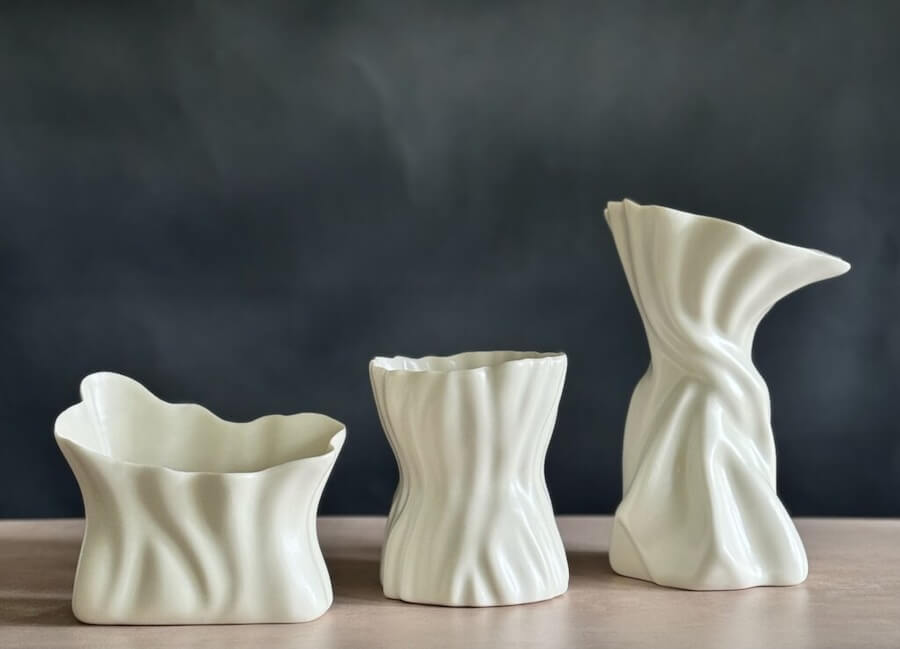
A vase designed by someone who actually arranges flowers.
Sullivan Owen's Baby Twist is a sculptural porcelain vase designed specifically with arranging flowers and foliage in mind. Its softly cinched shape gives loose stems structure and movement, helping create an arrangement without requiring a giant armful of flowers.
At approximately 6 inches high and 4 inches in diameter, the Baby Twist is particularly suited to smaller garden harvests, short stems and those occasions when you have only a handful of flowers but still want them to look intentional.
At $169, it is certainly more than your everyday grocery-store bouquet vase, but this is a piece designed to become part of the garden experience — helping you enjoy what you've grown outdoors after bringing it into the house.
Sullivan Owen came to vase design after spending 15 years as a professional floral designer.
She began her floral career in Philadelphia after designing the flowers for her own wedding and went on to create luxury weddings, events and brand collaborations while developing a distinctive approach to natural, expressive floral design.
When the pandemic brought event work to a halt, Sullivan turned her attention to the garden at her Mt. Airy home. Growing, cutting and arranging her own flowers led her to start questioning something most of us probably never think about: why are so many vases designed without considering how flowers actually want to move?
That question eventually led to a collection of sculptural porcelain vessels designed from a florist's point of view.
The vases are slip-cast in small batches in the United States. Each Baby Twist is individually inspected, signed and numbered by Sullivan and arrives with a handwritten note, floral elixir and custom keepsake packaging.
I knew I had to review these the moment I saw them.
I'm a fan of great vases, and the sculptural quality of Sullivan's designs caught my eye immediately. I could already see how they would look filled with flowers from the garden.
And then there is the cinched shape, which I think is brilliant.
We've all been there. You buy flowers at the grocery store, or your husband brings you a beautiful bouquet, and there simply aren't enough stems to make them stand upright in a traditional vase.
Five minutes later you've got a floppy bouquet leaning dramatically against one side.
The Baby Twist looks like it was designed to solve exactly that problem.
Its nipped-in waist gives a small number of stems somewhere to gather while still allowing the flowers to arc, spill and move naturally.
I am very much looking forward to putting it to work with both purchased flowers and whatever I can cut from the garden.
Add fresh-cut garden flowers, foliage, seasonal branches or a purchased bouquet to the Baby Twist.
The cinched form helps gather and support the stems while still allowing enough room for flowers to drape and move naturally.
Don't feel as though you need to fill it. One of the advantages of the Baby Twist is that a small garden harvest can still become a full-looking arrangement.
This isn't a vase designed simply to hold flowers. The vase becomes part of the arranging process.
Sullivan's years as a florist show in the shape. The narrow waist provides structure for stems that might otherwise flop outward, while the curved form encourages a loose, natural arrangement rather than forcing flowers into a rigid cylinder.
This is a splurge piece at $169, so it isn't the vase you buy simply because you need something to hold flowers.
You buy it because you — or someone you love — loves flowers, loves beautifully designed objects and wants to enjoy what has been grown after bringing it inside.
And because it is handmade porcelain, subtle freckles and variations can occur. In this case, those small differences are part of the piece rather than defects.
For a flower gardener, there is also something satisfying about investing in the last step of the process. We spend months choosing seeds, growing plants and waiting for flowers. The vase is where all that work finally comes inside.
Sullivan Owen's Baby Twist approaches the vase from a florist's point of view. Its softly cinched waist helps a handful of flowers behave like an arrangement rather than a few lonely stems leaning against the glass. For gardeners who love bringing their flowers indoors, the vessel becomes part of the creative process rather than simply the container at the end.
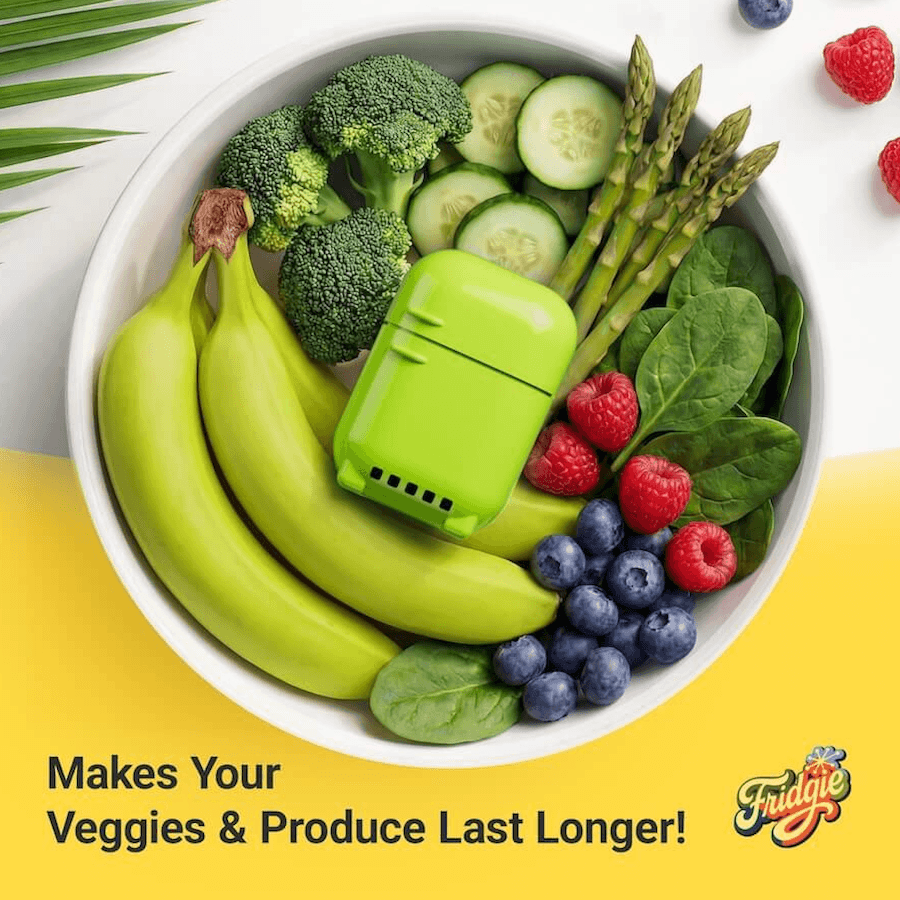
You grew it. You harvested it. Now keep it fresh.
The MESS Fridgie Produce Saver is an ethylene gas absorber designed to help extend the usable life of fresh produce in your refrigerator's crisper drawer. The freshness pack is designed to last for up to six months, giving freshly purchased or garden-harvested produce more time before it needs to be eaten, cooked or preserved.
The Fridgie is available in green, blue and yellow.
MESS develops simple household products designed to solve everyday annoyances. The Fridgie takes on one of the biggest refrigerator frustrations for gardeners: bringing in beautiful fresh produce only to find it wilting or deteriorating before you have a chance to use it.
Now this one has been getting a real-world workout in my refrigerator.
The Fridgie is a little awkward to open the first time. I found that carefully inserting a dull knife into the small slit between the front and back of the unit helped pop the cover open so I could insert the freshness pack. Once it's loaded, you close it up and it's designed to work for the next six months.
We've been experimenting with different vegetables and greens. The greens didn't stay as fresh as we'd hoped, so rather than waste them, we cooked them. They went limp, but they were still perfectly useful.
The real surprise was the cauliflower, tomatoes and broccoli. Those stayed remarkably fresh after two weeks, feeling firm and looking much like they did when we brought them home from the grocery store.
That's the kind of garden reality I appreciate. Not every vegetable is going to behave the same way, but when something helps you get more usable days out of fresh produce, that's a win.
Open the Fridgie, insert the freshness pack and close it securely. Place the unit in your refrigerator's crisper drawer with fresh produce.
The freshness pack is designed to last for approximately six months before replacement.
Gardeners know that harvesting or buying fresh produce is only half the battle. The other half is actually eating it before it goes bad.
The Fridgie is designed to help slow that race against the clock by absorbing ethylene gas inside the crisper drawer.
Not every vegetable is going to respond the same way.
Our own testing showed a noticeable difference with broccoli, cauliflower and tomatoes, while greens were less impressive. But even when vegetables lose their crispness, they don't necessarily belong in the trash. Our limp greens went straight into the kitchen and became cooked food.
For gardeners who work hard to grow or preserve their harvest, getting extra usable days from fresh produce can mean less food waste.
MESS Fridgie Produce Saver tackles one of the least glamorous but most important parts of gardening: keeping the harvest usable after it leaves the garden. Our own refrigerator test showed particularly good results with cauliflower, broccoli and tomatoes after two weeks, making this a simple tool with the potential to help reduce food waste.
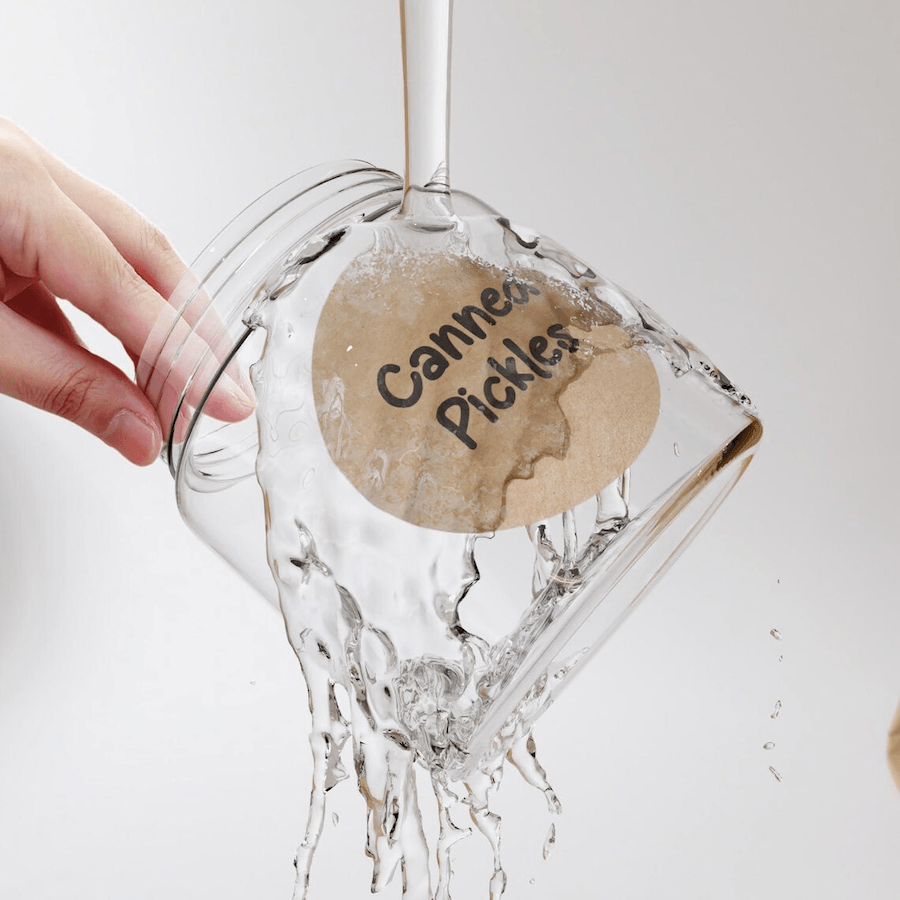
If you spend part of your summer turning the garden into jars of pickles, tomatoes, jams or preserves, you already know that labeling the jars is the easy part. Getting those labels off next season can be another story.
MESS Dissolvable Kraft Canning Labels are designed to solve that problem. The 2-inch round labels identify your homemade preserves, then dissolve away in water when the jar is ready to be washed and reused.
MESS creates practical products designed to make everyday tasks a little less messy and a little more convenient. Its dissolvable canning labels are aimed squarely at gardeners and home preservers who reuse their jars from season to season.
The idea immediately makes sense for anyone who cans from the garden. We put a lot of work into growing the tomatoes, peppers, beans and fruit, then preserving that harvest for later. The last thing you want is to spend time scraping last year's label adhesive off the jar before you can start this year's batch.
Write your jar information on the kraft label, including the contents and date, then apply it to the jar. When the jar is empty, soak or wash it in water and the label is designed to dissolve away.
The label is designed with the next batch in mind. Instead of wrestling with sticky residue and scraping tools, the label simply dissolves when it's time to reuse the jar.
If you preserve your garden harvest, reusable jars are part of the system. A label that doesn't become a permanent resident on the jar is a very good idea.
MESS Dissolvable Kraft Canning Labels solve a small but familiar problem for anyone who preserves the garden harvest. They make it easy to identify what's in each jar now without creating another cleanup job when the jar is ready for next year's tomatoes, pickles, jams or preserves.

Chirp & Charm is back in our family of shopping guides with more of the beautifully illustrated, nature-inspired pieces that made us fans in an earlier edition.
We previously featured the brand’s sunflower journals. This time, we're giving readers another reason to revisit the shop with the Cedric the Cedar Waxwing Black Mug, a collection of holiday greeting cards and a special discount for The Gardening Network readers.
The mug turns one of Luisa Ossa’s bird-inspired designs into a colorful everyday piece, while the holiday cards bring that same playful artistic personality to seasonal correspondence and gift giving.
Chirp & Charm is the creative work of artist Luisa Ossa. Inspired by birdwatching, nature, photography and art, Luisa transforms her original imagery into colorful designs for journals, greeting cards, mugs, puzzles, prints and other gifts.
There is a cheerful personality running through the collection. These aren't simply photographs placed on products. Luisa uses nature as the starting point and then gives the images a colorful, playful character of their own.
We have already had Chirp & Charm in the pages of Cancer Bites Podcast & Community, and sometimes that's the best recommendation of all. We've seen the products, liked them enough to include them before, and now there's another reason to take a look.
The Cedric the Cedar Waxwing Black Mug we reviewed is a great example of how a simple everyday item can have personality. The black ceramic, vivid background and cedar waxwing artwork make it anything but another ordinary coffee mug.
And then there are the holiday cards. A handwritten card is already more personal than another message arriving on a phone, but beautiful artwork makes it feel even more special.
For gardeners, I especially like finding gifts that don't scream “gardening store.” A beautifully designed mug or card can be every bit as welcome as another garden gadget.
Bird lovers should have fun with this one. Cedric the Cedar Waxwing takes center stage against a vivid background, turning an everyday coffee or tea mug into a little piece of nature-inspired pop art.
The 15-ounce ceramic mug is microwave- and dishwasher-safe, although handwashing can help minimize fading over time. It's large enough for a generous morning coffee, afternoon tea or hot chocolate after spending a chilly fall morning outside.
View Cedric the Cedar Waxwing Black Mug
Chirp & Charm's holiday cards bring Luisa's colorful artistic style to one of the nicest traditions of the season: actually sitting down and writing to someone.
They make a lovely companion to the mug and an easy little gift for gardeners, bird lovers, stationery fans or anyone who still appreciates finding something personal in the mailbox.
Fill the Cedric mug with your favorite coffee, tea, cocoa or other warm drink and keep it handy for cool fall mornings, afternoons at your desk or evenings spent planning next year's garden.
Use the holiday cards for seasonal greetings, thank-you notes, gifts or simply as an excuse to reconnect with someone through an actual handwritten message.
This is a lifestyle and gift pick rather than a gardening tool. You won't be planting anything with it, but you might make your next garden-loving friend's gift considerably more interesting.
And there's something appropriate about a bird-covered mug sitting beside a gardener on a cool morning. Sometimes enjoying the garden is as simple as sitting outside with something warm to drink and watching to see who flies in.
Chirp & Charm takes familiar everyday objects and gives them a cheerful connection to the natural world. The Cedric the Cedar Waxwing Mug brings bird-inspired artwork to the morning coffee ritual, while the holiday cards turn a simple handwritten message into something worth saving. Add the special TGN reader discount and this returning favorite earns another spot in our guide.
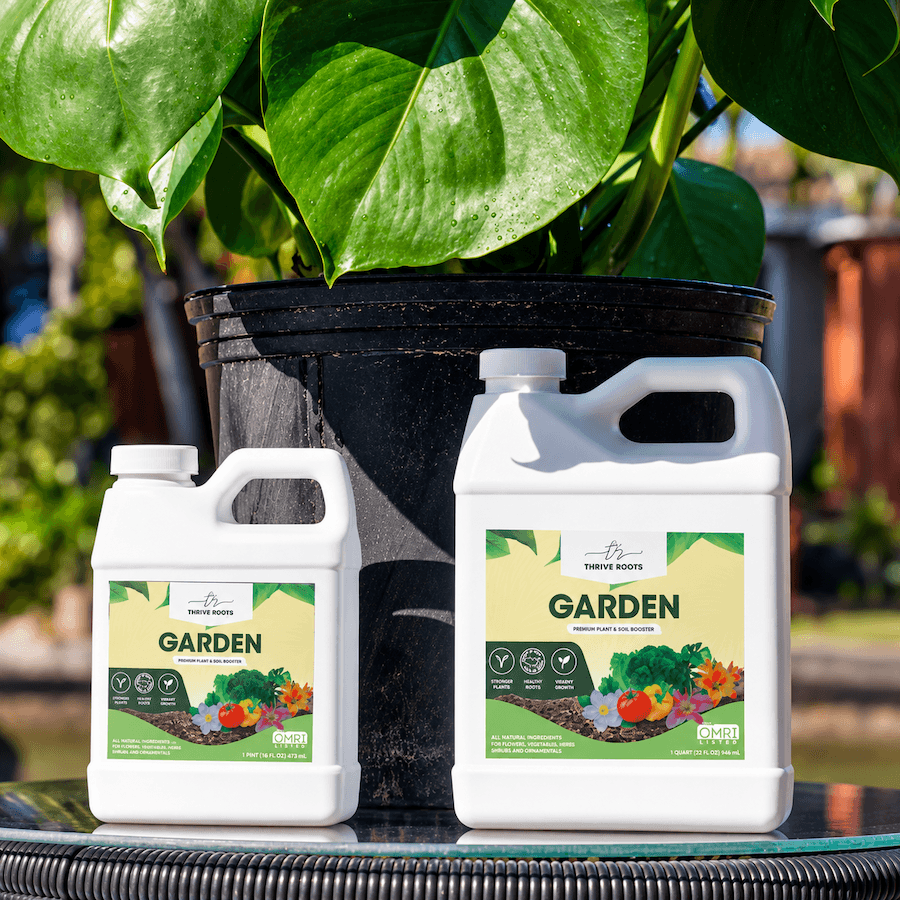
Thryve Roots Garden is a botanical-based plant treatment designed to support healthier roots, nutrient uptake and overall plant growth by helping improve the soil environment around the root zone.
It can be added to a regular watering routine and is suitable for both indoor and outdoor plants.
For our Fall Gardening Guide, we're looking at it primarily from the indoor-plant perspective, because fall is a natural time to pay a little more attention to the plants we're bringing inside and the ones already living in our homes.
Thryve Roots creates botanical-based products designed to support healthier plants and soil. The brand offers several formulas developed for different plant and growing needs, with an emphasis on supporting the root zone rather than focusing only on what is happening above the soil.
Most of my indoor plants are cacti, but I’d like to branch out and add some other varieties to the collection. That makes this an interesting product for me to try as I expand my indoor garden.
And yes, there is a story behind the indoor plants around here.
We inherited a few fake plants and trees from previous owners. LOL. I finally put them out on the curb for someone else to enjoy. If I'm going to have plants in my house, I'd rather grow the real thing!
I'll be interested to see how Thryve Roots Garden fits into my regular watering routine as I experiment with more indoor plants and begin building a larger living collection.
Add Thryve Roots Garden to your regular watering routine according to the product directions. It can be used with both indoor and outdoor plants.
For indoor plants, consistency matters more than overdoing it. Follow the recommended dilution and continue giving each plant the light, drainage and watering schedule appropriate for its species.
It takes a root-and-soil approach rather than simply focusing on what you see above the soil.
That's especially appealing for indoor gardeners because the health of a container-grown plant starts with what is happening below the surface. A botanical-based formula that can be incorporated into an existing watering routine also makes it easy to experiment with without adding another complicated garden chore.
A soil-support product isn't a substitute for giving a plant the right light, water, container, drainage and growing conditions. Those basics still matter.
I'm also approaching this one as a product to test, so we'll be watching to see how it performs with real indoor plants over time rather than pretending one watering tells the whole story.
That's part of the fun of expanding an indoor garden anyway: trying new plants, learning what they need and paying attention to how they respond.
Thryve Roots Garden puts the focus where healthy plants begin: below the soil surface. Its botanical-based formula can be incorporated into a regular watering routine, making it an interesting option for indoor gardeners who want to support healthy roots while expanding their living plant collection.
Mud happens. Especially in the garden.
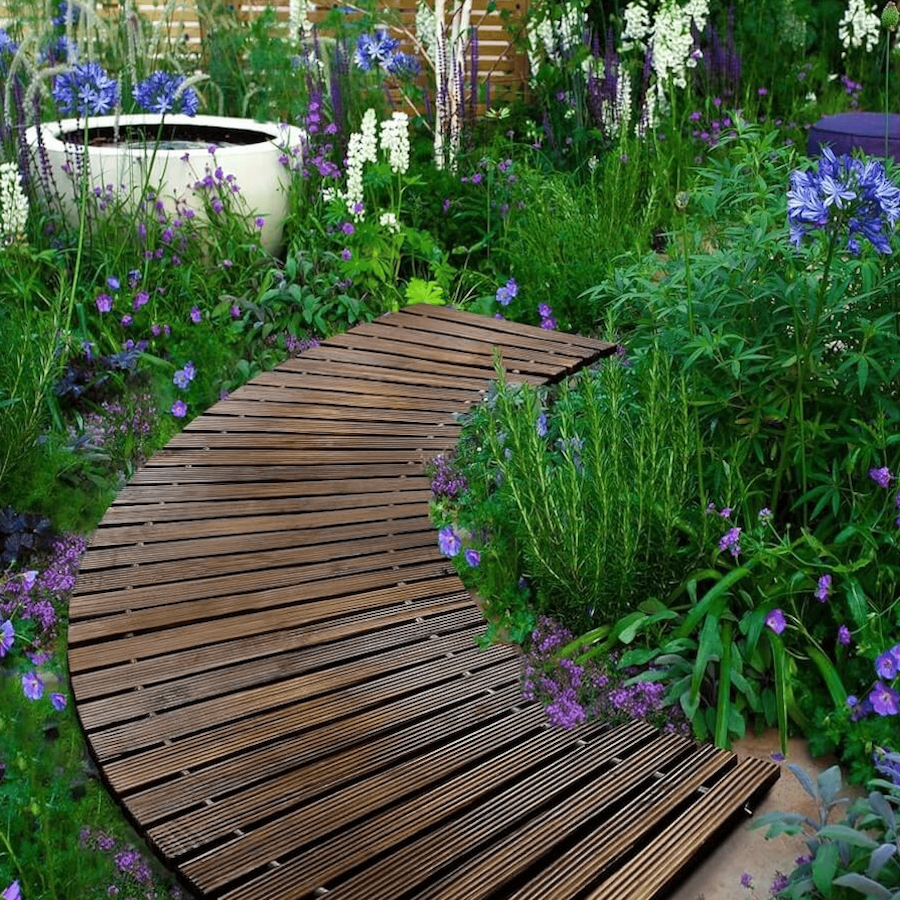
The 8' Portable Roll-Out Straight Hardwood Pathway from Plow & Hearth creates an instant walking surface over damp or muddy areas without tools, digging or permanent installation. Naturally weather-resistant hardwood planks are connected with wire and rubber spacers, allowing the pathway to roll out when needed and roll back up for storage.
Use it between garden beds, along a frequently traveled path, near a water spigot or anywhere wet ground turns your shoes into gardening souvenirs. The natural hardwood also looks considerably more intentional than a trail of stepping stones or a strip of muddy grass.
Plow & Hearth began in 1980 when Peter and Peggy Rice and Michael Burns opened a small “Essentials for Country Living” store in Madison, Virginia, in the foothills of the Blue Ridge Mountains.
The original store reflected the founders' interest in self-reliant living. The building was solar powered and heated by a wood stove, while the store offered everything from garden tools and bulk seeds to food-preservation equipment and how-to books.
More than 45 years later, Plow & Hearth has grown into a retailer offering products for gardens, outdoor living, home, pets, storage, comfort and country living.
Giving back also remains part of the company's culture through its People with Heart program, which supports a variety of local and national organizations.
I like this pathway because it solves a very ordinary garden problem without requiring a permanent solution.
I've found it does best when placed on a smooth, relatively level surface rather than rugged or highly uneven ground. That's worth knowing before you order one. Think garden paths, muddy side yards and defined walkways rather than trying to bridge the wilderness.
One idea I particularly like is using several lengths together to create an entrance into your garden. Instead of simply covering a muddy spot, you can turn the pathway into part of the garden's design.
And when the weather turns, you aren't committed to leaving it outside forever. Roll it up, store it and bring it back out when you need it.
Roll the pathway out across a garden path, muddy area or other relatively smooth surface where you need a temporary walking surface.
Use a single 8-foot length for a short garden connection or place multiple pathways together to create a longer walkway or defined garden entrance.
When you're finished using it, rinse it with a hose if necessary, allow it to dry thoroughly, roll it back up and store it until the next time you need it.
A garden path without the construction project.
There's no digging, gravel hauling or permanent installation required. The hardwood gives the pathway a finished appearance while still allowing you to change the layout of your garden as your needs change.
It's particularly useful for seasonal problem areas that don't justify building a permanent walkway.
This isn't a magic carpet for rough terrain.
Although the pathway has enough flexibility to conform to the ground, I've found it performs best on a smooth, fairly level surface. If your garden path is filled with large rocks, exposed roots, deep ruts or significant changes in elevation, you'll want to address those conditions first.
But for muddy grass, dirt paths and frequently traveled areas that become unpleasant after rain, it can be a very practical solution.
And being able to roll it up and put it away when you don't need it is a big advantage over committing to a permanent pathway.
Plow & Hearth's Portable Roll-Out Hardwood Pathway gives gardeners something that's surprisingly difficult to find: an attractive walkway without a construction project. Roll it across a muddy garden path when you need it, connect several lengths for a more substantial entrance, then roll everything back up when the season changes.
Every gardener has earned the right to be a little fresh sometimes.
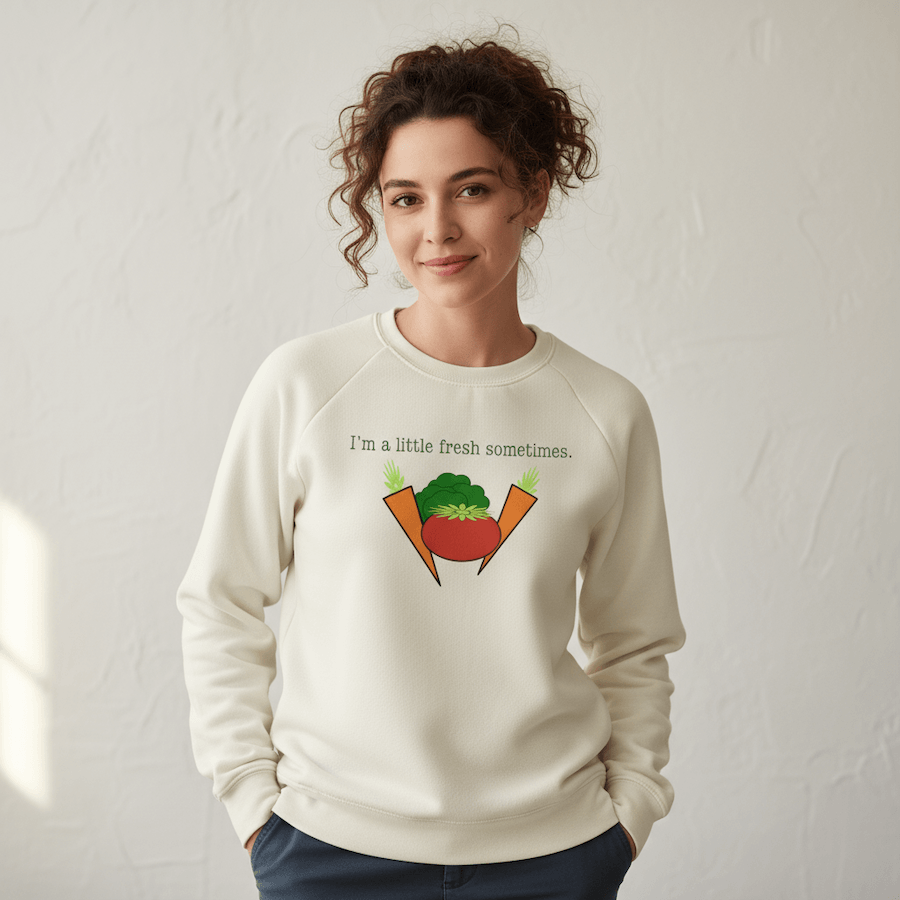
Simply Chickie’s “I’m A Little Fresh” Adult Sweatshirt combines garden humor with a cozy everyday layer made from organic cotton and printed with eco-friendly, non-toxic dyes.
The illustrated vegetable design gives the phrase a wink that gardeners and farmers market regulars will immediately understand. It's the kind of sweatshirt you can pull on for a chilly morning garden walk, a trip to the farmers market or a weekend spent puttering around the house.
Simply Chickie was founded by Gwendolyn Gardner — aka The Chief Chick — in Newport, Rhode Island.
The company grew from a deeply personal experience. Gwen learned she was pregnant during the same week she was diagnosed with breast cancer. That combination changed the way she thought about the products she brought into her life and eventually inspired her to create clothing made with organic cotton and more environmentally conscious materials.
Simply Chickie now creates playful, sustainable clothing for babies, children and adults. The brand uses GOTS-certified organic cotton, designs its clothing in Rhode Island and manufactures in the USA.
The philosophy is simple: sustainable clothing doesn't have to be boring. It can be comfortable, funny and full of personality at the same time.
I’m a little fresh sometimes. And I'm perfectly comfortable admitting it.
I love the garden humor of this sweatshirt because gardeners understand exactly what “fresh” means. Fresh tomatoes, fresh herbs, fresh vegetables... and occasionally a gardener with a fresh opinion.
The sweatshirt is also hitting the guide at exactly the right time. Fall is when I start appreciating a good cozy layer that can go from the garden to the kitchen without requiring an outfit change.
The organic cotton is an added bonus. When I'm buying something I'm going to wear often, I like knowing more about what it's made from and how it was produced.
One sizing note from Gwen: the sweatshirts run large, so keep that in mind when choosing your size.
Wear it while harvesting the last vegetables of the season, heading to the farmers market, grabbing coffee after a morning in the garden or simply enjoying a cool-weather weekend.
It also makes a fun gift for the gardener in your life who has a healthy appreciation for garden humor — particularly the one who already owns enough pruning shears.
Garden personality meets sustainable clothing.
The combination of organic cotton, eco-friendly dyes and a playful vegetable-inspired saying makes this considerably more interesting than another generic fall sweatshirt.
Fall gardening isn't always glamorous. There are muddy shoes, chilly mornings, fading plants and that one zucchini you somehow missed.
A cozy sweatshirt helps.
And if it makes somebody laugh while you're hauling in the last harvest, even better.
Simply Chickie isn't just for grown-up gardeners. The company is best known for its organic baby and children's clothing, with playful nature- and food-inspired designs that make particularly fun gifts for gardening families.
Designs such as “Organically Grown” and “Local Honey” carry the same cheerful personality into clothing for babies and children, so even the smallest member of the gardening family can get in on the fun.
Simply Chickie’s “I’m A Little Fresh” Sweatshirt manages to combine sustainable clothing, garden humor and genuine everyday wearability. Made with organic cotton, eco-friendly dyes and an illustrated vegetable design, it feels right at home at the farmers market, in the garden or curled up indoors after the day's work is finished.
The Gardening Network is giving away an “I’m A Little Fresh” Simply Chickie sweatshirt on Facebook.
Watch for the giveaway beginning September 10, 2026.
Follow The Gardening Network on Facebook for the contest announcement and entry details.
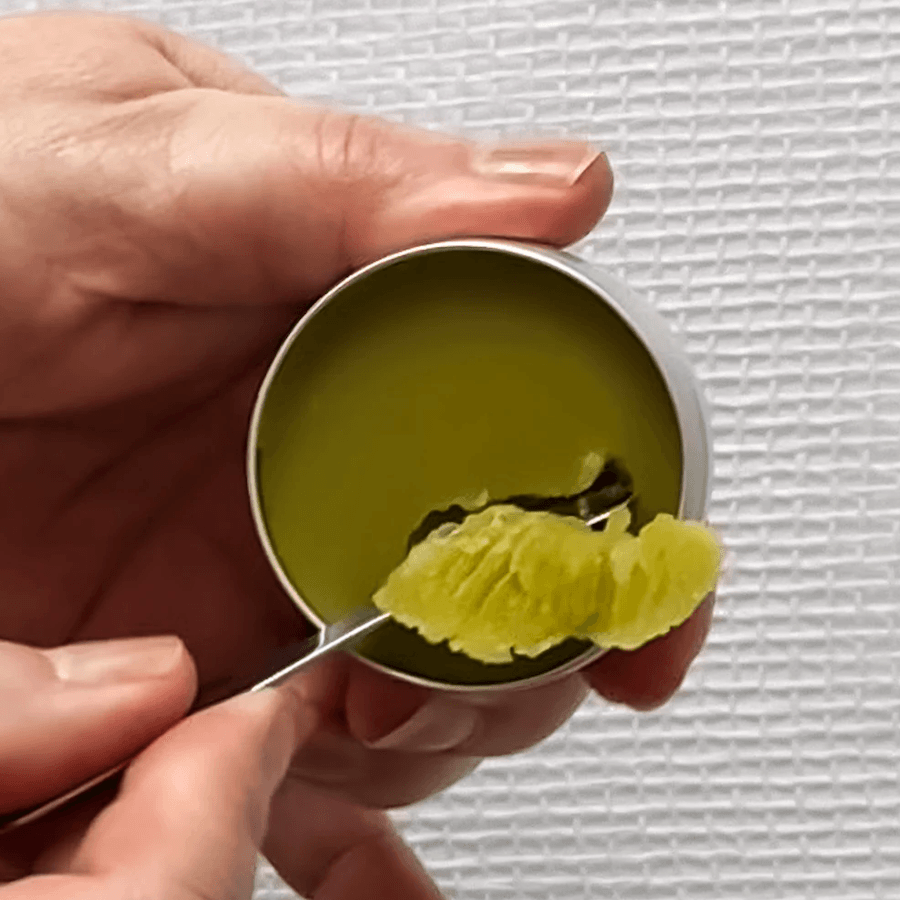
Garden hands take a beating.
Kasvi Beauty's Nordic Meadow Balm is a concentrated herbal balm designed for dry, weather-exposed skin, particularly hands, cuticles, elbows and heels.
Made in small batches, the balm combines botanical ingredients in a rich formula inspired by Finnish and Nordic plant traditions.
For gardeners, this is the kind of little tin you could keep near the garden gloves or beside the kitchen sink for hands that spend the day moving between soil, water, sun and repeated washing.
Kasvi Beauty is a New York City-made skincare brand rooted in Finnish and Nordic botanical traditions.
The company takes a botanical-first, small-batch approach to skincare, drawing on plants traditionally associated with Nordic landscapes while combining them with modern cosmetic formulation.
The name itself reflects that connection: kasvi means “plant” in Finnish.
This is one of those products where my nose and my hands had two very different opinions.
The balm has a strong, earthy herbal scent that was quite pungent for my taste. If you prefer fragrance-free or lightly scented skincare, that is something to know before purchasing.
But my hands were impressed.
I used it on my hands before heading into the garden, and the balm created a noticeable protective layer over my skin.
The real test came when I washed my hands afterward and the water actually beaded up on the surface.
That protective quality made sense in the garden, where hands are constantly dealing with soil, water, sun and repeated washing.
So while I wouldn't choose it for the scent, I appreciated what it did for my hands.
And that's an important distinction when we're talking about a garden product: sometimes the nose gets a vote, but the hands get the final say.
Apply a small amount to dry hands, cuticles, elbows, heels or other areas that need extra conditioning.
Because this is a concentrated balm, start with a small amount and work it into the skin before adding more.
Gardeners may find it especially useful before or after outdoor work, or after repeated hand washing.
It behaves more like a protective balm than a lightweight hand lotion.
In my testing, it left a noticeable barrier on the skin and resisted water enough that droplets beaded on my hands after washing.
That makes it particularly interesting for gardeners, whose hands are constantly moving between damp soil, irrigation water, tools and the sink.
The scent is strong and earthy.
That won't be everyone's cup of tea, and it wasn't mine.
On the other hand, the protective quality was noticeable and useful. Water beaded off my hands, and the balm helped keep them from feeling completely wrecked after working outside.
If your priority is protecting hardworking hands rather than having a delicate fragrance experience, this balm deserves a look.
Kasvi Beauty's Nordic Meadow Balm earned its place in this guide because of what it did rather than how it smelled. The earthy herbal scent may be strong for some users, but in our testing the balm left a noticeable protective layer on hardworking garden hands — enough that water actually beaded on the skin after washing.
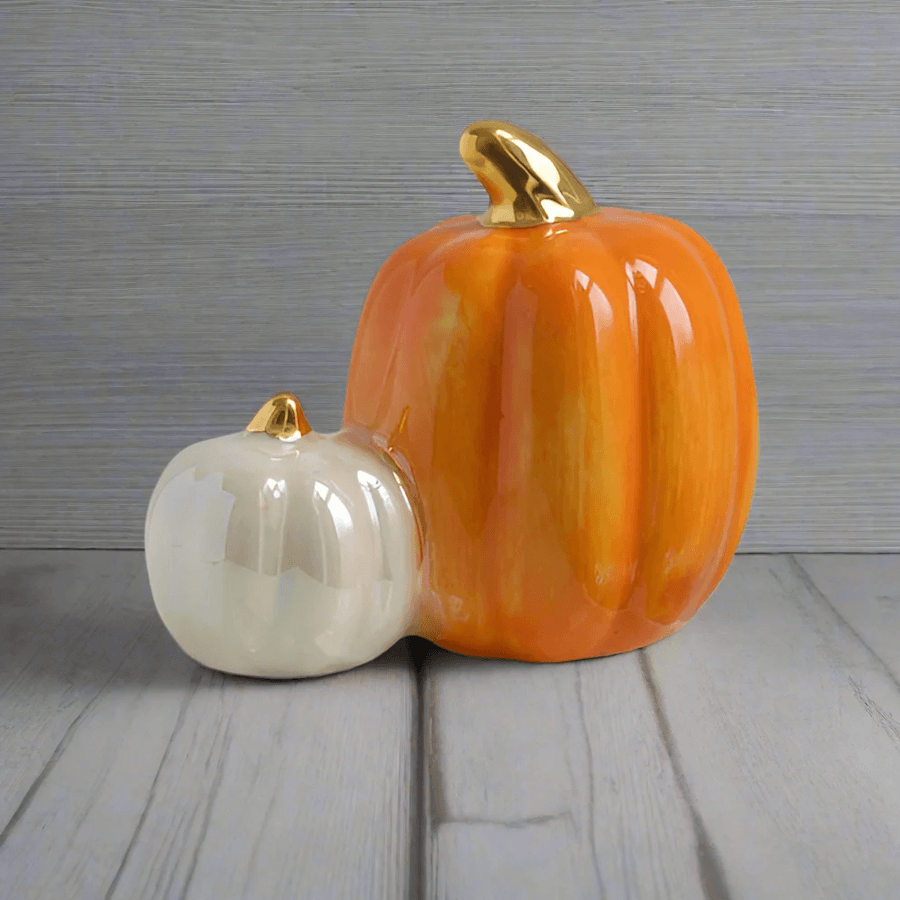
One serving piece. A whole year of possibilities.
Nora Fleming has created a clever way to make everyday entertaining feel a little more special. The brand's serving pieces feature a small opening designed to hold one of Nora Fleming's hand-painted collectible “minis.” Change the mini and you instantly change the personality of the piece.
For fall and winter entertaining, I have a white serving tray that I use for cookies, crackers, cheese and other snacks, along with a growing collection of seasonal minis that lets me change the look from one holiday to the next.
Nora Fleming was founded by Nora Napientek alongside her brother and co-founder Jon Niedlinger. The idea grew from Nora's paint-your-own pottery studio, where she watched people gather, create and connect through art.
That idea evolved into a collection of interchangeable serving pieces and hand-painted minis designed to change with holidays, milestones, seasons and everyday celebrations.
Over the years, the minis have developed an enthusiastic collector following of their own. There are designs inspired by holidays, food, animals, flowers, gardening, hobbies, sports and just about every celebration you can imagine.
I am a fan because I actually use mine.
I have a white serving tray for cookies or crackers and cheese, and then I can change the little porcelain mini depending on what I'm celebrating.
My collection takes me right through the fall and winter holidays with a red cardinal, cornucopia, turkey, witch's hat, pumpkin pie, Halloween pumpkin and two very different pumpkins: one carved for Halloween and another glamorized with a gold stem and a little white pumpkin.
The cardinal is especially fun for me. I see cardinals here in Arizona, I have a red bird garden spike sitting in my herb container, and of course there is the Arizona Cardinals connection. So that little red bird gets plenty of mileage around here!
What I really like is that you aren't buying a new serving dish for every holiday. You can keep the same serving piece and simply change the mini. It's an easy way to change the scenery when you're entertaining.
Choose a Nora Fleming base or serving piece and a mini that matches the occasion. Add a small dab of water to the opening, insert the mini and secure it according to the manufacturer's directions.
Use the serving piece for appetizers, crackers, cheese, cookies, desserts or whatever happens to be on the menu, then swap the mini when the next holiday or season arrives.
That means the same platter can move from Halloween to Thanksgiving to Christmas simply by changing one tiny piece.
The interchangeable design is the whole point.
One serving piece can become Halloween, Thanksgiving, Christmas, spring gardening or an everyday entertaining piece simply by switching the mini.
And for collectors, the fun doesn't stop with one. There are enough seasonal, garden, food, animal and celebration designs to make hunting for the next mini part of the experience.
Not every mini needs to be garden-related. That's actually part of the appeal. Your serving piece can follow the seasons and your life rather than being stuck in one theme.
Gardeners have plenty to choose from, though. Flowers, birds, vegetables, pumpkins and other nature-inspired minis make it easy to bring a little bit of the garden onto the table.
If you're the sort of person who likes collecting things, however, proceed with caution. There are a lot of minis to choose from, and it's very easy for one little pumpkin to acquire friends.
Nora Fleming recommends hand washing the collectible minis. Stoneware bases are dishwasher- and microwave-safe, while care instructions vary for melamine and wood pieces.
Nora Fleming turns one good serving piece into an entire calendar of entertaining possibilities. Switch a pumpkin for a turkey, a cardinal for a Christmas design or a flower for something garden-inspired, and the same platter suddenly feels completely different. It's practical, playful and just collectible enough to become dangerous.

By Melissa Bartley & Greg Lehmkuhl | Artisan
If container gardening is your thing, Terrain: The Container Garden Book is packed with inspiration. With nearly 100 seasonal container garden designs, it moves well beyond the basic “put a plant in a pot” approach.
Think sophisticated combinations, unusual plant pairings, tabletop troughs, dramatic urns and containers that become part of the overall garden design rather than simply somewhere to put a plant.
The book is organized by season and includes practical advice on container materials, silhouettes, drainage, soil mixes and plant selection, giving readers both inspiration and the information needed to adapt the ideas to their own gardens.
Terrain is known for its distinctive approach to gardening, bringing together plants, garden design, seasonal displays and thoughtfully considered outdoor living.
The Container Garden Book captures that aesthetic through the work of Melissa Bartley, Terrain's visual director, and Greg Lehmkuhl, the brand's creative director.
Together, they translate Terrain's nature-led approach into container combinations that can work everywhere from a small urban patio to a large backyard.
Container gardening can sometimes feel like the consolation prize for gardeners without much ground.
This book makes a very convincing argument that containers can be the star of the show.
I love that the designs are organized by season, because it encourages you to keep changing things up rather than creating one pot and forgetting about it for the rest of the year.
It also reminds you that the container itself matters. Shape, material, height and placement can have just as much impact as the plants growing inside it.
For anyone who already enjoys experimenting with containers, this is the kind of book that may have you looking around the patio and wondering which pot is getting redesigned next.
Start with the season you're gardening in and browse the designs for combinations, colors and container ideas that appeal to you.
Then adapt the plant choices to your own climate, growing zone, available light and container size rather than trying to reproduce every design exactly.
The practical sections on drainage, soil mixes and container materials make the book useful as a reference as well as a source of inspiration.
It turns container gardening into garden design.
Instead of treating containers as a compromise for gardeners with limited space, the book treats them as creative opportunities in their own right.
Some of the designs may inspire a serious case of garden envy.
Remember that the plants shown in a beautifully photographed container won't necessarily thrive in every climate. Sun exposure, heat, cold, humidity and growing zone still determine what will actually succeed where you live.
Use the combinations as inspiration and substitute plants suited to your own conditions. The design principles can still work even when the exact plants change.
Terrain: The Container Garden Book treats containers as a genuine form of garden design rather than a substitute for having more space. With nearly 100 seasonal combinations and practical advice on everything from soil to drainage, it's the kind of book that can inspire one new pot or completely change the way you look at your patio.
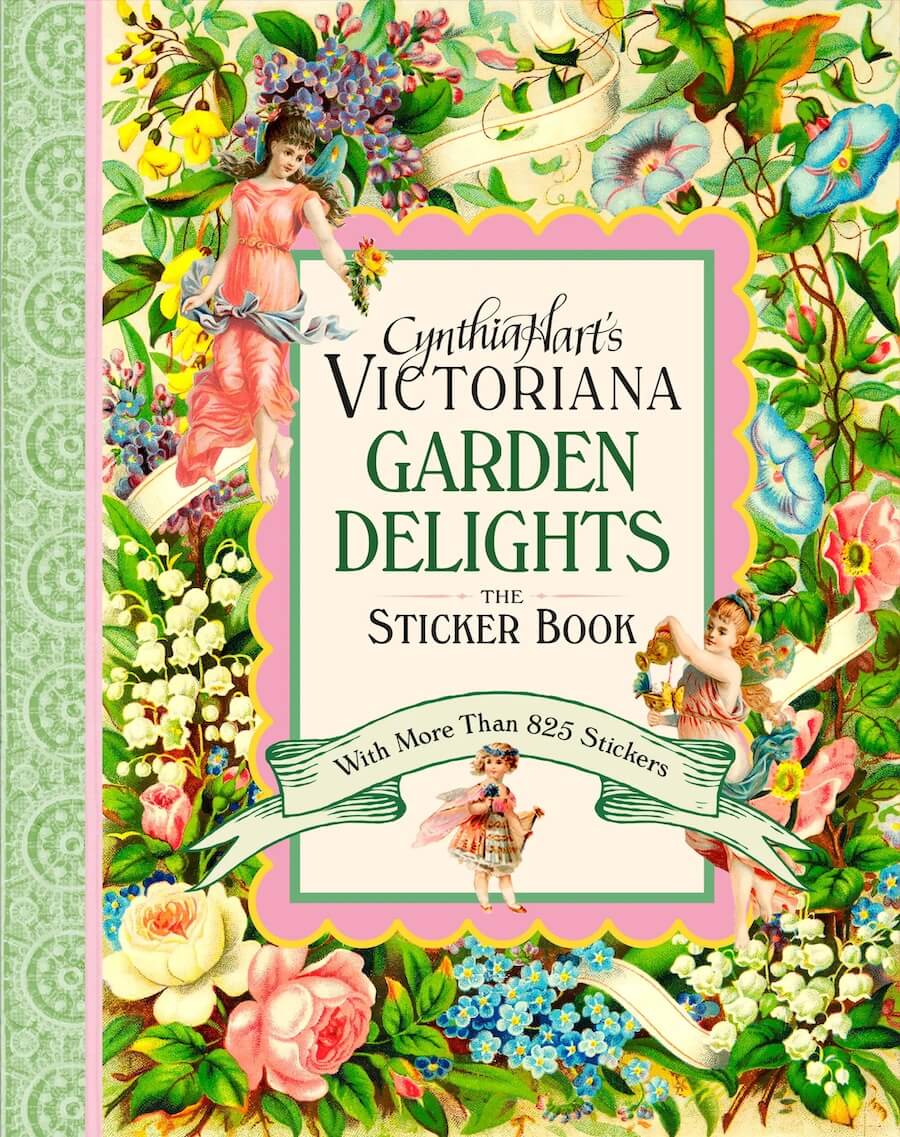
By Cynthia Hart | Workman Publishing Company
Now this is a garden book I can get behind!
Cynthia Hart’s Victoriana Garden Delights: The Sticker Book contains more than 825 stickers filled with vintage garden imagery, flower fairies, botanical illustrations, butterflies, blossoms and wonderfully whimsical Victorian-inspired designs.
This isn't really a book you simply read and put back on the shelf. It's part garden inspiration, part craft collection and part treasure box, with page after page of images waiting to find a permanent home somewhere else.
Cynthia Hart is a designer and artist known for her richly layered work using antique Victorian ephemera, textiles, flowers and decorative imagery.
Her designs celebrate the romance, color and elaborate beauty associated with the Victorian era, and her work has appeared across books, stationery, gifts, fragrance and home products.
Victoriana Garden Delights brings that distinctive style directly into the garden, combining realistic botanical imagery with playful fantasy and the decorative exuberance of Victorian-era gardening.
I especially love a sticker book when the stickers are actually beautiful enough that you want to use them.
These aren't stickers that are going to disappear into a drawer. They can turn a plain card, letter, journal page or garden notebook into something special, and I can absolutely see gardeners and kids having fun deciding which ones go where.
And with more than 825 stickers, there is plenty of garden goodness to go around.
There is also something fun about the mix of serious botanical beauty and complete Victorian whimsy. One page might give you flowers and butterflies, while another introduces flower fairies or wonderfully strange vegetable people.
Decorate cards, letters, journals, garden notebooks, calendars, scrapbooks, seed-storage boxes and craft projects.
Use the botanical stickers to personalize garden records or create handmade gifts, and let the kids have at it, too.
Or simply flip through the pages and enjoy the artwork until you're emotionally prepared to actually remove one.
It is part garden inspiration, part craft project and part happy little treasure box.
The biggest challenge may be deciding which sticker is worthy of its permanent home.
Beautiful sticker books can create a strange problem: you buy them specifically to use the stickers and then decide they're too pretty to remove.
With more than 825 to choose from, however, I think we can probably sacrifice a few to the garden journal.
Cynthia Hart’s Victoriana Garden Delights turns the beauty and eccentricity of the Victorian garden into more than 825 little pieces of usable art. Flowers, butterflies, vintage garden imagery and wonderfully whimsical characters make it equally suited to a garden journal, handmade card, craft table or an afternoon spent deciding which sticker you're finally willing to use.
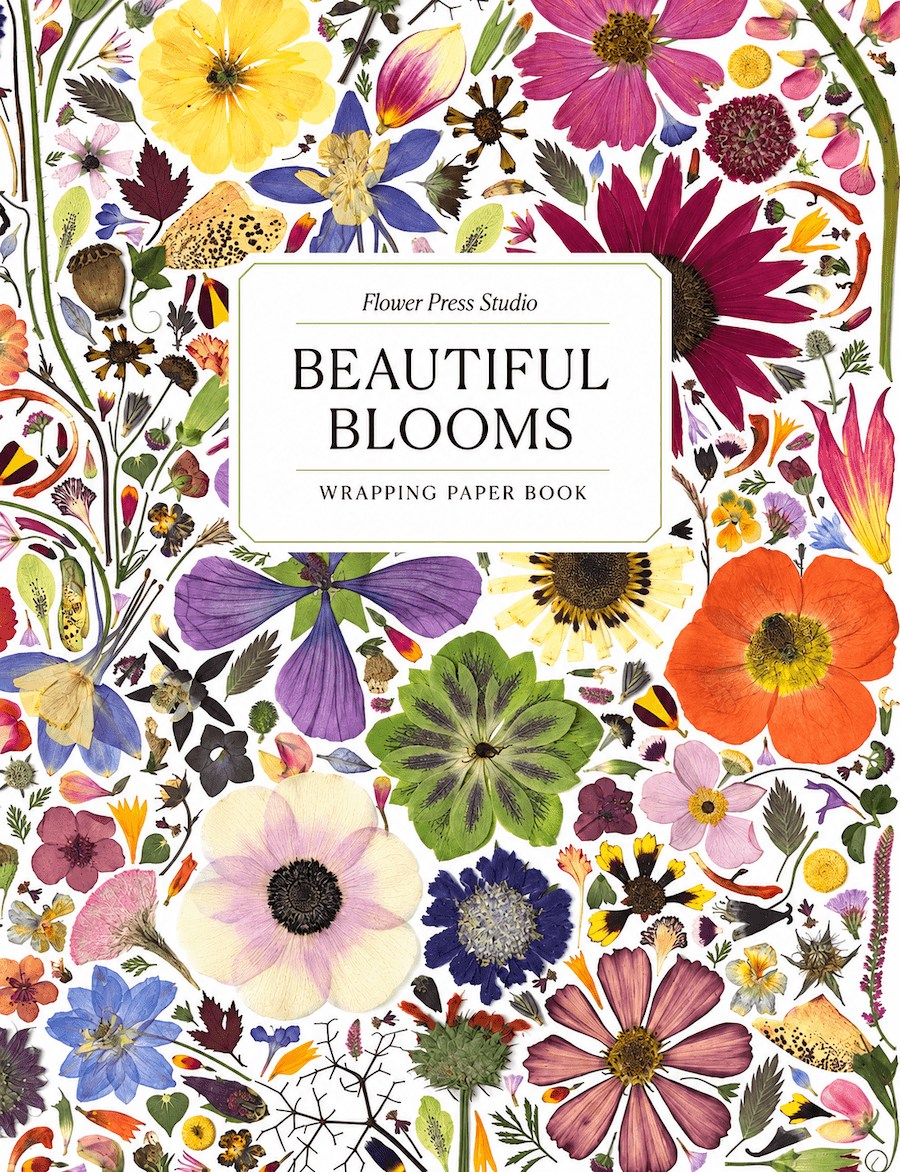
By Rachel Parri & Keith Kralik of Flower Press Studio | Artisan
This may be my favorite kind of wrapping paper: the kind you can keep neatly in a book until you need it, then tear out and actually use.
Beautiful Blooms Wrapping Paper Book features 12 original pressed-flower designs created by Rachel Parri and Keith Kralik of Flower Press Studio. The perforated sheets detach from the book and unfold into full-size wrapping paper, giving you a collection of botanical designs ready for birthdays, holidays and other gift-giving occasions.
The book also includes 25 coordinating gift-tag stickers, making it easy to carry the floral theme from the wrapping paper right through to the finishing touches.
Flower Press Studio is the creative work of Rachel Parri and Keith Kralik. Their pressed-flower adventure began in 2020 using flowers grown in their backyard urban garden in Denver, Colorado.
What began as a creative experiment grew into a business centered around preserving real flowers and turning them into botanical artwork. Today, Rachel and Keith live in Colorado's North Fork Valley near Paonia, where they work with independent flower farms and growers to preserve seasonal blooms through pressed-flower art.
Beautiful Blooms takes those real pressed-flower compositions and transforms them into paper goods that gardeners and flower lovers can actually use.
I especially love this one because it isn't simply a book about beautiful flowers.
You get to use the flowers.
The sheets become wrapping paper, the gift-tag stickers finish the package and suddenly something as ordinary as wrapping a box becomes another opportunity to bring the garden into the celebration.
And this is where I think it gets really fun. You can take a plain box or piece of kraft paper and turn it into personalized wrapping for the person receiving the gift. Add another botanical sticker from one of the sticker books in this guide, choose a matching tag and suddenly the wrapping becomes part of the present.
I also like the book format. Loose rolls of wrapping paper have a remarkable ability to get crushed, torn or disappear into the back of a closet. These sheets stay together until you're ready to use them.
Choose a design, detach the perforated sheet and unfold it to wrap your gift. Finish the package with one of the coordinating gift-tag stickers.
The floral paper can also be used for cards, scrapbooking, journals, decoupage, paper crafts and other creative projects when you don't need an entire sheet for wrapping.
And don't be afraid to mix things up. Botanical stickers, natural twine, dried flowers or a sprig clipped from the garden can turn a simple package into something wonderfully personal.
It is a beautiful gift book that is actually meant to be taken apart and used.
If you're a gardener who saves beautiful paper because it is “too pretty to use,” this book may test your resolve.
Use it anyway!
Beautiful wrapping paper isn't doing anyone much good hiding on a shelf. The whole point is to give it away, and there's something particularly appropriate about pressed flowers having a second life wrapped around a gift.
Beautiful Blooms Wrapping Paper Book takes real pressed-flower artwork and turns it into something both beautiful and useful. With 12 tear-out botanical wrapping papers and 25 coordinating gift-tag stickers, it lets gardeners carry a little bit of the garden all the way to the outside of the gift.
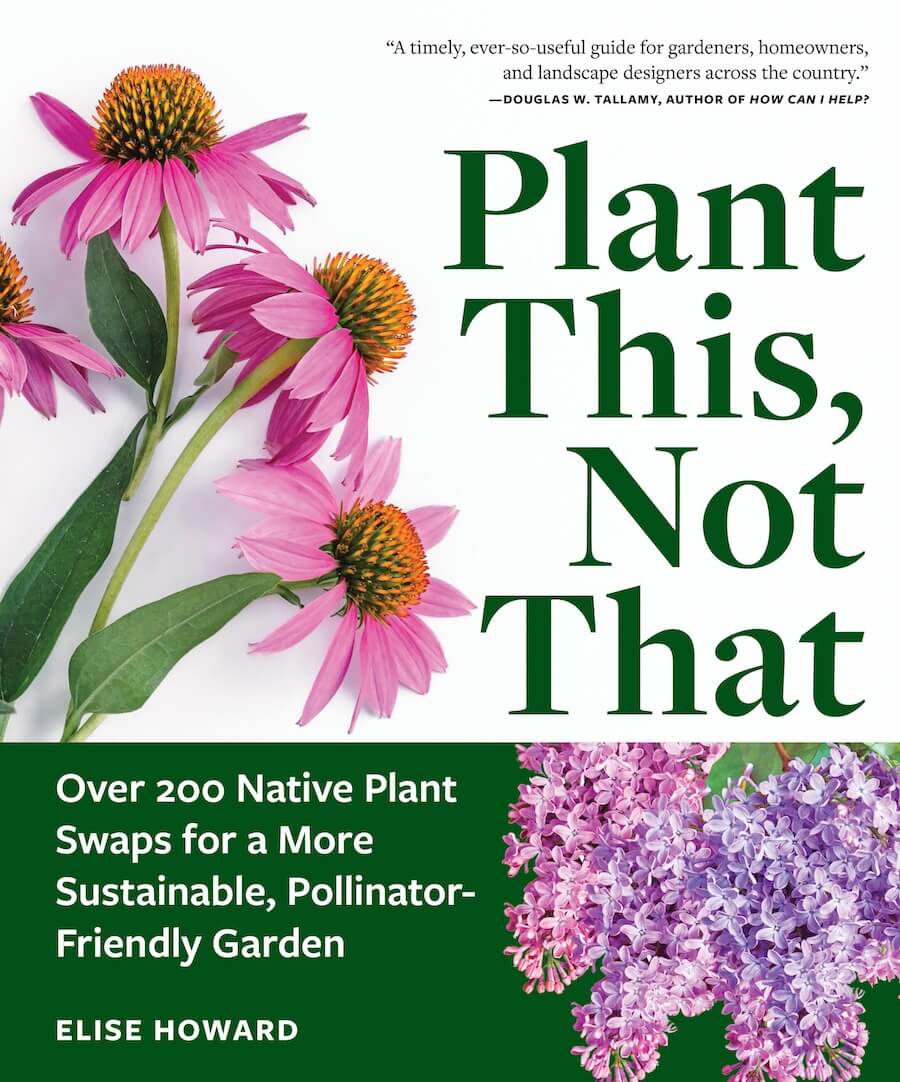
By Elise Howard | Workman Publishing Company
Plant This, Not That is the practical book in this collection, focusing on making gardens more sustainable through smarter plant choices and substitutions.
The book identifies common non-native and often invasive garden plants, then offers more beneficial native alternatives that can provide similar beauty while doing more to support local pollinators, birds and wildlife.
With more than 200 native plant swaps, full-color photography and maps showing each plant's native range down to the county level, it gives gardeners specific information they can use when planning or reworking a landscape.
Author Elise Howard has gardened in a wide range of settings, from window boxes and suburban backyards to apartment courtyards and rural landscapes.
Her interest in native plants began more than 15 years ago while volunteering as a gardener in New York City's Riverside Park. That experience eventually grew into a broader interest in helping gardeners understand how familiar landscape choices can be replaced with plants better suited to local ecosystems.
Rather than simply telling gardeners what not to plant, Plant This, Not That takes a much more useful approach: it offers alternatives.
This is the kind of book I like having on the garden shelf because it gives you information you can actually use when you're standing there trying to make a planting decision.
Choosing plants isn't just about what looks pretty at the nursery. What belongs in your local landscape matters.
I especially like the “this, not that” format because it doesn't leave you hanging. If a familiar landscape plant isn't the best ecological choice, the book gives you alternatives that can still provide the color, structure or garden function you were looking for.
That makes sustainable gardening feel a lot less like giving something up and more like making a better substitution.
Use the book when planning beds, borders, pollinator gardens and landscape renovations.
Look up a familiar non-native plant, review the suggested native alternatives and then use the range maps and individual plant profiles to determine which choices are appropriate for your area.
Each plant profile includes practical information such as sun, water and soil requirements, bloom characteristics, berries or fruit, fall color and the pollinators known to depend on the plant.
It turns sustainable gardening into specific choices you can actually make.
Instead of offering broad advice about planting natives, the book shows gardeners what they can substitute for many of the plants already commonly used in home landscapes.
“Native” does not mean one-size-fits-all.
A plant native to one part of the United States may not be native to another, which is exactly why the range maps are so useful.
You still need to consider your particular climate, soil, available water, sun exposure and growing conditions before choosing a plant.
The goal isn't simply to replace everything in the garden overnight. It's to make more informed choices as you add, replace and redesign over time.
Plant This, Not That makes native gardening considerably easier by answering the question gardeners are most likely to ask: “What should I plant instead?” With more than 200 specific swaps, detailed plant profiles and county-level range maps, it turns the big idea of sustainable gardening into practical decisions you can make one plant at a time.
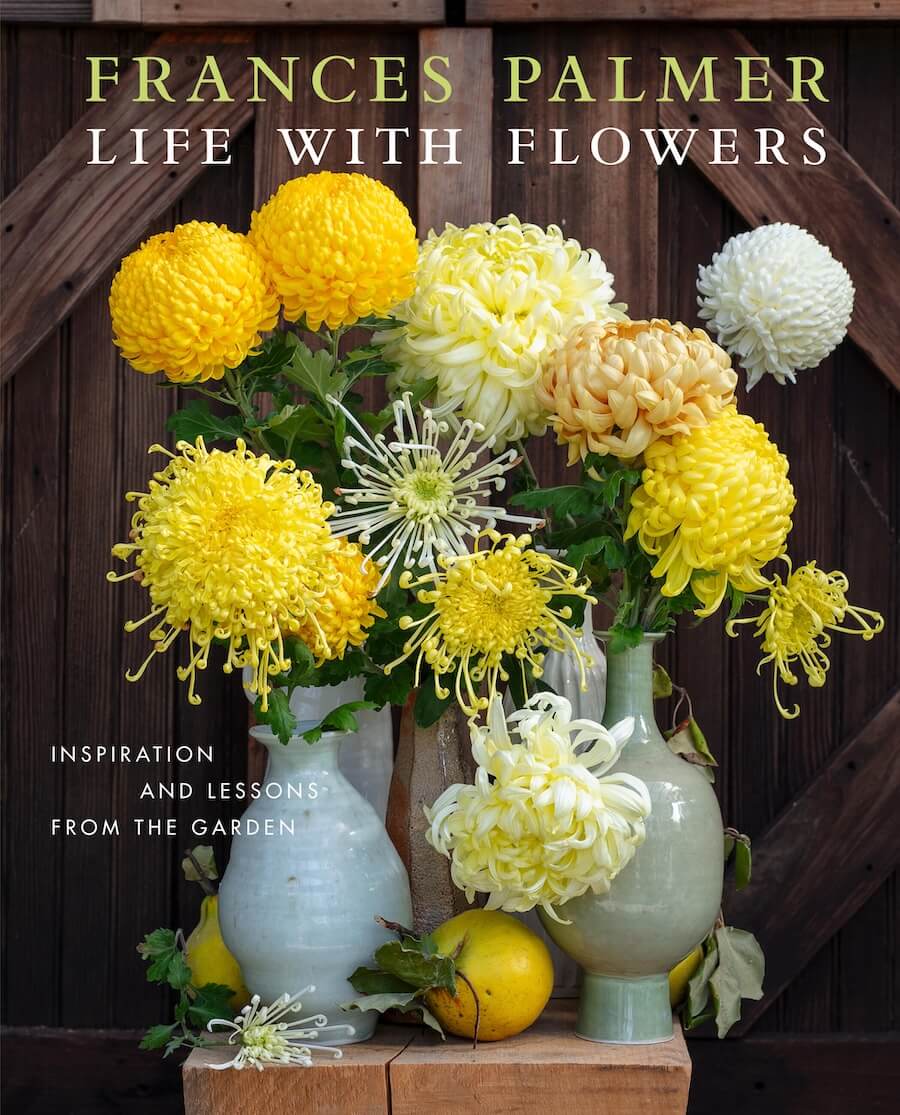
By Frances Palmer | Foreword by Erin Benzakein | Artisan
Life with Flowers: Inspiration and Lessons from the Garden invites readers into the garden and creative world of artist, potter, photographer and master gardener Frances Palmer.
The book combines practical growing advice with flower profiles, arranging techniques, recipes and DIY projects, following flowers from the garden into the home and studio.
Palmer approaches the gardening year in waves, planning for a continual progression of blooms rather than one short season of abundance. The result is a book about much more than growing flowers. It is about creating a life around them.
Frances Palmer has spent decades bringing together pottery, gardening, photography and floral arranging.
She is particularly known for her handmade functional ceramics and her flower gardens, especially her dahlias. The two creative practices naturally feed one another: she grows flowers that inspire her vessels and creates vessels specifically to showcase the flowers she grows.
Life with Flowers follows her earlier book, Life in the Studio, and turns the focus more directly toward the garden, seasonal flowers and the creative possibilities that begin once something starts blooming.
This is one of those books that belongs in a gardener's reference library because it encourages you to think beyond simply growing flowers.
What do you do with them once they bloom? How do you arrange them? How can they become part of your home, cooking and creative projects?
I particularly like the idea of planning the garden in waves. Instead of waiting for one spectacular flush of flowers and then watching everything fade, Palmer thinks about how one group of blooms can follow another throughout the growing year.
It changes the way you look at a flower garden. Suddenly you're not simply growing individual plants. You're thinking about what will be blooming next, what will look good in a vase and what combinations might work together once they come indoors.
Read it for growing inspiration, then return to the individual flower profiles, arranging ideas, recipes and projects as your own garden produces.
Use Palmer's seasonal approach to think about succession in the flower garden, choosing plants that can provide changing colors, forms and textures over a longer period.
And when the flowers are ready, bring the book back out again for ideas on arranging and enjoying them indoors.
It connects the entire flower journey: growing, harvesting, arranging and enjoying.
Plenty of books teach you how to grow flowers, and plenty teach floral arranging. This one brings those worlds together and adds art, photography, food and creative projects to the mix.
You may find yourself looking at your flower garden differently afterward, with a vase suddenly becoming almost as important as the flower bed.
Of course, the flowers Palmer grows won't necessarily perform the same way in every climate. Use her combinations and seasonal ideas as inspiration, then choose varieties appropriate for your own growing conditions.
And don't feel as though every arrangement needs to look like it belongs in a magazine. Sometimes five flowers clipped from the garden and dropped into a favorite vase are exactly enough.
Life with Flowers doesn't stop when the flower blooms. Frances Palmer follows the entire creative journey from planning and growing through cutting, arranging, cooking and making, encouraging gardeners to see flowers not simply as something in the landscape but as something to live with throughout the seasons.
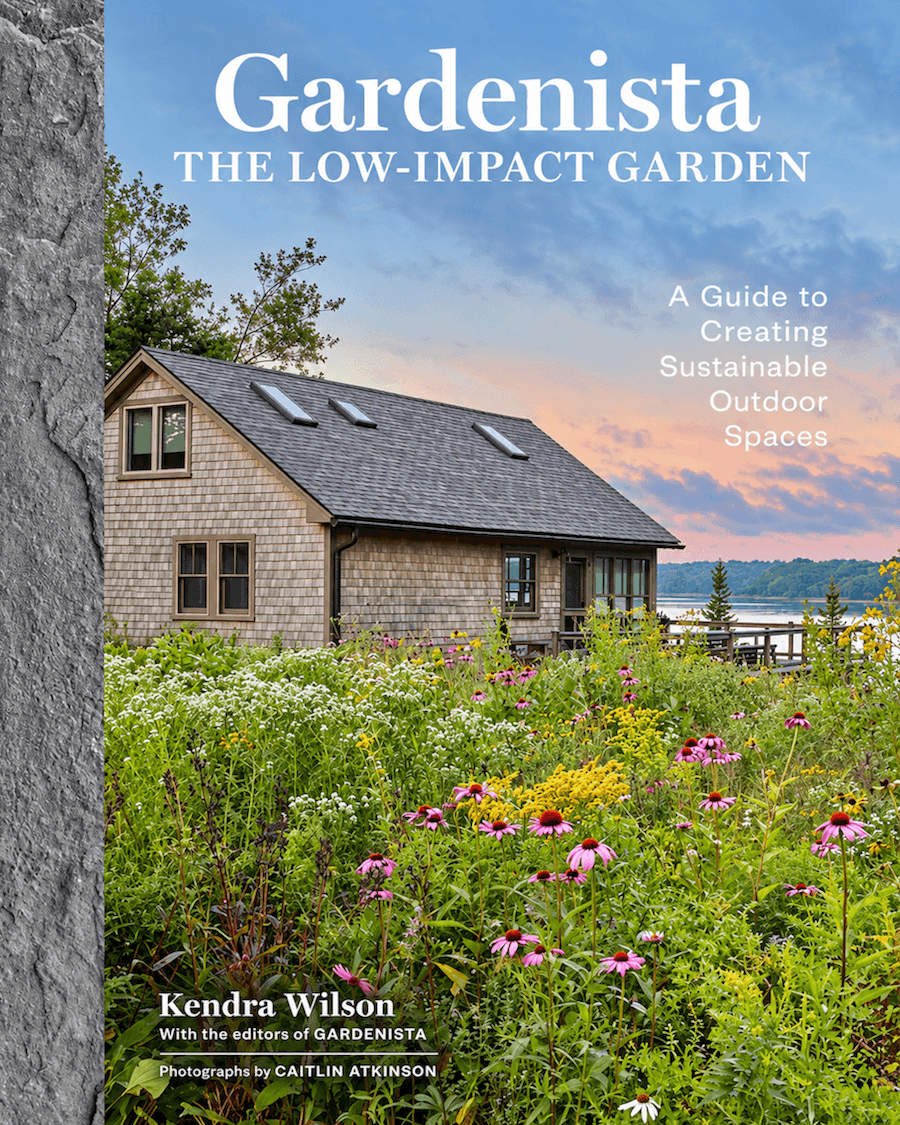
By Kendra Wilson & the Editors of Gardenista | Photographs by Caitlin Atkinson | Artisan
Gardenista: The Low-Impact Garden brings together beautiful gardens from around the world with practical ideas for creating more earth-friendly outdoor spaces.
From rooftop gardens and urban spaces to wildflower prairies, forest gardens and permaculture landscapes, the book combines serious garden inspiration with a more thoughtful approach to how outdoor spaces are designed, planted and maintained.
It also looks closely at some of the fundamentals of garden design — including lawns, soil, trees and shrubs, water and even swimming pools — through a lower-impact lens.
Created by Kendra Wilson and the Editors of Gardenista, the book explores gardens where thoughtful design and environmental responsibility work together.
Gardenista has long approached gardening as both a design discipline and a way of interacting with the natural world. The Low-Impact Garden takes that philosophy a step further by examining how beautiful outdoor spaces can also conserve resources, support healthier ecosystems and respond more intelligently to their surroundings.
Author Kendra Wilson has written extensively about American and British gardens, while photographer Caitlin Atkinson brings the featured landscapes to life through hundreds of full-color images.
This is the one for the gardener who wants inspiration but also wants to understand the thinking behind the garden.
I like books that make you stop and look at how a space works, not simply whether it looks pretty in a photograph.
A beautiful garden is wonderful, but I'm increasingly interested in what is happening behind the beauty. How much water does it require? What is happening with the soil? Are there places for pollinators and wildlife? Could part of the lawn become something more useful?
That's what makes this book interesting. You can enjoy the gorgeous gardens and then start pulling apart the ideas that made them work.
You probably aren't going to reproduce a forest garden in Vancouver or a wildflower prairie in the Midwest exactly as shown, but you may come away with one idea that completely changes a corner of your own yard.
Use the featured gardens for inspiration when designing or rethinking your own outdoor spaces, whether you're working with a rooftop, backyard, small urban garden or larger landscape.
Pay particular attention to the ideas that can be adapted rather than copied: reducing lawn, improving soil, choosing more appropriate plants, managing water differently or creating spaces that work with rather than against the surrounding environment.
It is also the kind of book worth keeping nearby when you're planning a new garden project. Browse the photographs first, then return to the practical sections once an idea catches your attention.
It bridges the gap between garden eye candy and practical low-impact design.
The landscapes are beautiful enough to make this an inspirational book, but the real value is understanding why environmentally responsible choices can also produce better-looking, more interesting gardens.
You probably won't recreate one of these gardens exactly, and you shouldn't try.
A garden in London, Vancouver or Australia is responding to completely different weather, soils and growing conditions than a garden in Arizona, Texas or New England.
Take the ideas that make sense for your own climate, space and resources.
Low-impact gardening doesn't have to mean rebuilding the entire landscape either. Changing one planting bed, reducing a section of lawn, improving the soil or using water more thoughtfully can be a perfectly good place to start.
Gardenista: The Low-Impact Garden proves that environmentally responsible gardening doesn't have to mean sacrificing beautiful design. Through gardens from around the world, it shows how thoughtful choices involving plants, soil, water and landscape design can create outdoor spaces that look wonderful while asking a little less from the planet.
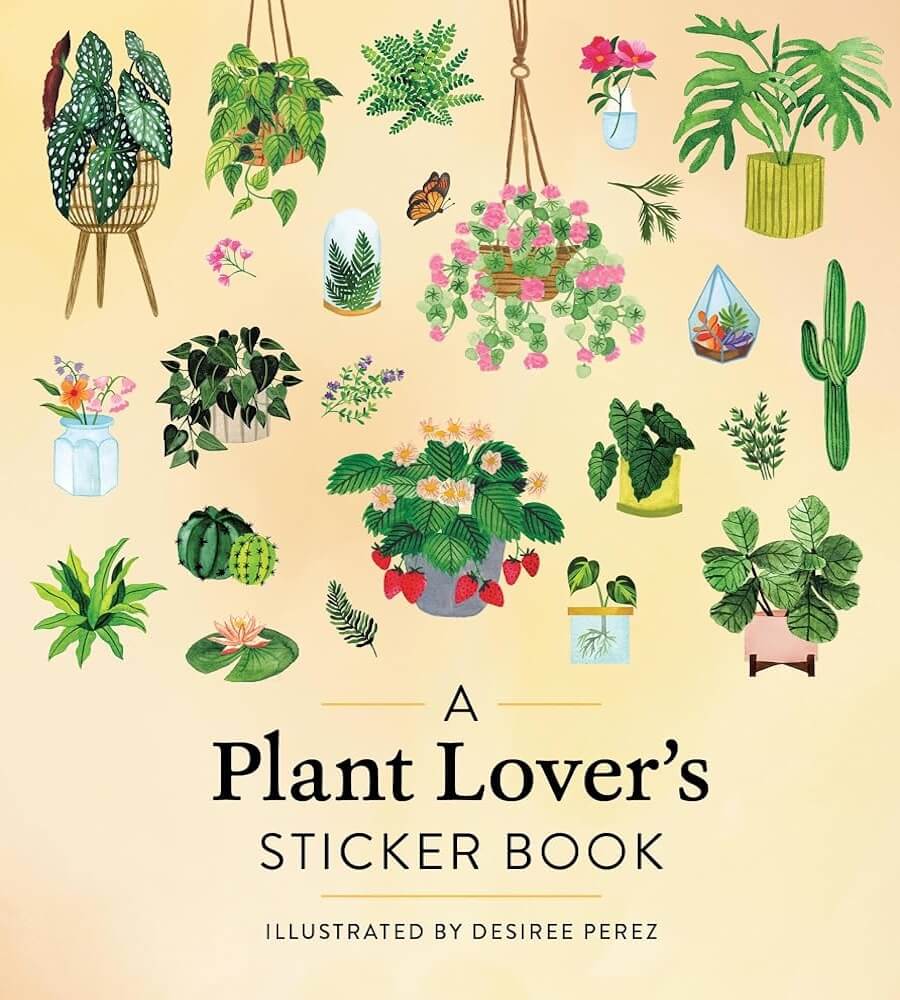
By Workman Publishing | Illustrated by Desiree Perez
For the plant lover who can't resist a beautiful botanical illustration, A Plant Lover’s Sticker Book is filled with more than 675 hand-painted stickers inspired by the greenery around us.
Houseplants, cacti, flowers, garden scenes, terrariums, ladybugs and other botanical details fill the pages, turning the book into a collection of miniature watercolor artwork that can actually leave the page and become part of something else.
The stickers are designed for notebooks, postcards, stationery, journals and creative projects, but gardeners will probably find plenty of other places to put them.
Published by Workman Publishing, A Plant Lover’s Sticker Book features artwork by designer and illustrator Desiree Perez.
Perez founded her gift and stationery company, Paper Anchor Co., in 2017. Her hand-painted and hand-illustrated designs are inspired by plants, nature and the sense of calm and connection that comes from the natural world.
That style translates beautifully into a sticker collection where even a tiny cactus or potted plant feels like its own little piece of botanical art.
I see this as the slightly more grown-up cousin to the Victoriana sticker book, although both could easily find fans in the same household.
The idea that these little pieces of watercolor art can leave the page and become part of a card, notebook, letter or garden journal makes this much more fun than simply looking at pretty pictures.
And I especially like the variety. One sticker might be a houseplant sitting on a windowsill, another a cactus, a tulip, a ladybug or a tiny terrarium. It feels like wandering through several different kinds of gardens without leaving the book.
Of course, the real question is whether I would actually use my favorites or keep turning past them because they're “too pretty.”
Add the stickers to cards, letters, journals, garden notebooks, calendars, packages, scrapbooks and craft projects.
Use them to mark planting dates in a garden journal, decorate seed-storage boxes or envelopes, personalize gifts or add a botanical touch to everyday correspondence.
They also pair nicely with the botanical wrapping papers and other sticker books featured in this guide.
The stickers are miniature works of botanical art that you can actually put to work.
Gardeners are collectors by nature. Seeds, pots, plants, tools — and apparently stickers.
You may need to establish a sticker-use policy before somebody starts hoarding all the really good ones.
My suggestion? Use them. There are more than 675 in the book. Surely we can spare a few for the garden journal.
A Plant Lover’s Sticker Book turns more than 675 hand-painted botanical illustrations into tiny pieces of usable garden art. Houseplants, flowers, cacti, terrariums and other greenery can move from the page into garden journals, cards, packages and creative projects — assuming you can convince yourself to actually use the really pretty ones.