
Gardening has always been more than planting seeds. It’s how knowledge is passed down, how patience is learned, and how people of all ages reconnect with the rhythms of nature. Yet for many years, gardening advice has quietly assumed a narrow audience: able-bodied adults with time, space, and experience.
The truth is much simpler—and far more powerful.
Kids, seniors, beginners, families, and communities can all grow together when gardens are designed with inclusion, simplicity, and adaptability in mind.
At The Gardening Network, we believe gardening should feel welcoming, not intimidating. Whether you’re six or seventy-six, whether you’re planting your first seed or returning to the soil after decades away, there is a place for you in the garden.
Gardening is one of the rare activities that naturally adapts to different abilities, learning styles, and life stages. It doesn’t demand perfection or speed. It rewards observation, curiosity, and care—qualities shared by children, seniors, and beginners alike.
Across generations, gardening offers:
When gardens are approached as shared spaces rather than individual projects, they become bridges between generations.
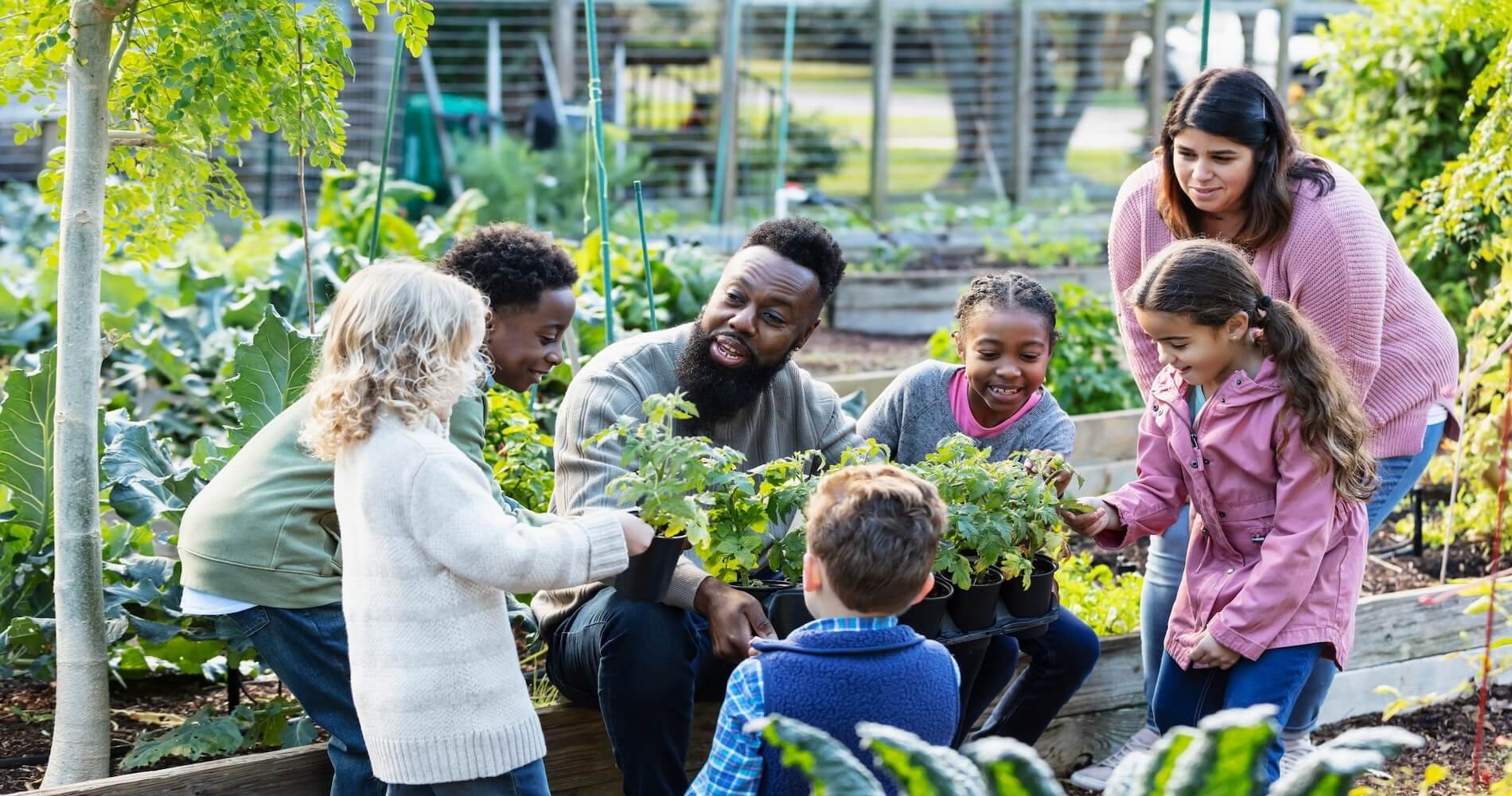
For children, gardening is education disguised as play.
Planting a seed teaches patience. Watching a sprout emerge builds wonder. Harvesting food introduces responsibility and pride. Gardening engages curiosity in ways few activities can, connecting science, math, nature, and creativity.
When kids garden alongside adults or seniors, they also learn something deeper: that growing food is a shared human skill passed down through care, not instructions.
For seniors, gardening offers something especially valuable—purpose without pressure.
Gardens don’t rush. They invite gentle movement, daily routines, and meaningful engagement with the living world. With thoughtful design, gardening remains accessible and enjoyable well into later life.
Gardening also creates opportunities for seniors to share wisdom—teaching children and beginners skills learned over a lifetime. That exchange is as nourishing as the harvest itself.
Every experienced gardener was once a beginner.
The biggest barrier for new gardeners isn’t lack of ability—it’s fear of doing something wrong. Modern gardening culture often overwhelms beginners with rules, terminology, and conflicting advice.
The truth? You don’t need to know everything to start.
When beginners garden alongside kids or seniors, the pressure disappears. Gardening becomes collaborative rather than performative—and learning feels natural instead of stressful.
Some of the most meaningful gardens are grown together.
Gardens become places of storytelling, teaching, laughter, and shared success. A child learns how to plant. A senior watches knowledge continue forward. Everyone grows something—plants and relationships alike.
True “gardening for everyone” means removing barriers wherever possible
Accessibility doesn’t require expensive equipment or complicated systems. Often, small adjustments make the biggest difference.
Gardens should adapt to people—not the other way around. When physical strain is reduced, joy increases.
Beyond food and flowers, gardening nurtures something less visible but equally important: mental well-being.
Across all ages, gardening has been shown to:
A garden doesn’t judge. It responds to care—and that relationship can be deeply healing.
Today’s gardeners have access to tools that remove guesswork and lower entry barriers. Simple planners, spacing guides, and seasonal references help people succeed faster—especially when gardening together.
Modern gardening support focuses on:
These tools don’t replace experience—they support it, making gardening more approachable for all ages.
Gardening has never belonged to experts alone. It belongs to families, communities, and everyday people learning together.
When kids, seniors, and beginners grow side by side, gardens become places of connection rather than competition. Mistakes turn into lessons. Harvests become shared celebrations.
Whether you’re brand new, gardening with kids, or looking for simple, senior-friendly methods, these next steps will help you grow with confidence.