
I didn’t start this garden because I had space.
I started it because I had exactly one option.
There’s a single patch in my backyard—about six square feet—that gets full sun all day. Not morning sun. Not “dappled light.” Real, honest sunlight from breakfast to dinner. It’s the kind of spot you guard fiercely once you notice it. I measured it three times, convinced I was wrong, then decided it was just big enough to try something bold.
Ten bell pepper plants.
I know. Ten plants in six square feet sounds ridiculous. But peppers are optimists, and so am I.
I turned the soil by hand, breaking up clumps, pulling out rocks, and pretending I knew what I was doing. I worked in compost and fertilizer like I was tucking the earth into a warm blanket. When I planted those little baby pepper starts, I was gentle in the way you are with something you’ve already imagined succeeding. I watered carefully. I checked spacing twice. I stood back and smiled like a proud parent.
Every morning after that, I inspected them. Every single one. I watched leaves unfurl. I watched stems thicken. By the time they hit two feet tall, they were covered in flowers—delicate white stars promising abundance.
I did the math in my head constantly.
Then fifty.
Then a hundred.
I dreamed of baskets. I dreamed of neighbors asking what I was doing differently. I dreamed of peppers piled on my kitchen counter like trophies.
Kids find gardening here to be playful, empowering, and confidence-building. Simple explanations, visual guides, and hands-on projects make growing food and flowers accessible—and fun. Seniors, meanwhile, benefit from practical advice on ergonomics, container gardening, adaptive tools, and low-impact methods that allow them to keep growing safely and joyfully.
And for those in between—busy families, apartment dwellers, veterans, people with disabilities, and first-time gardeners—the Network offers guidance that meets them where they are.
Not everyone has acres of land or perfect soil—and The Gardening Network embraces that reality. Its resources span the full spectrum of growing environments:
And then one morning, I opened the back door and froze.
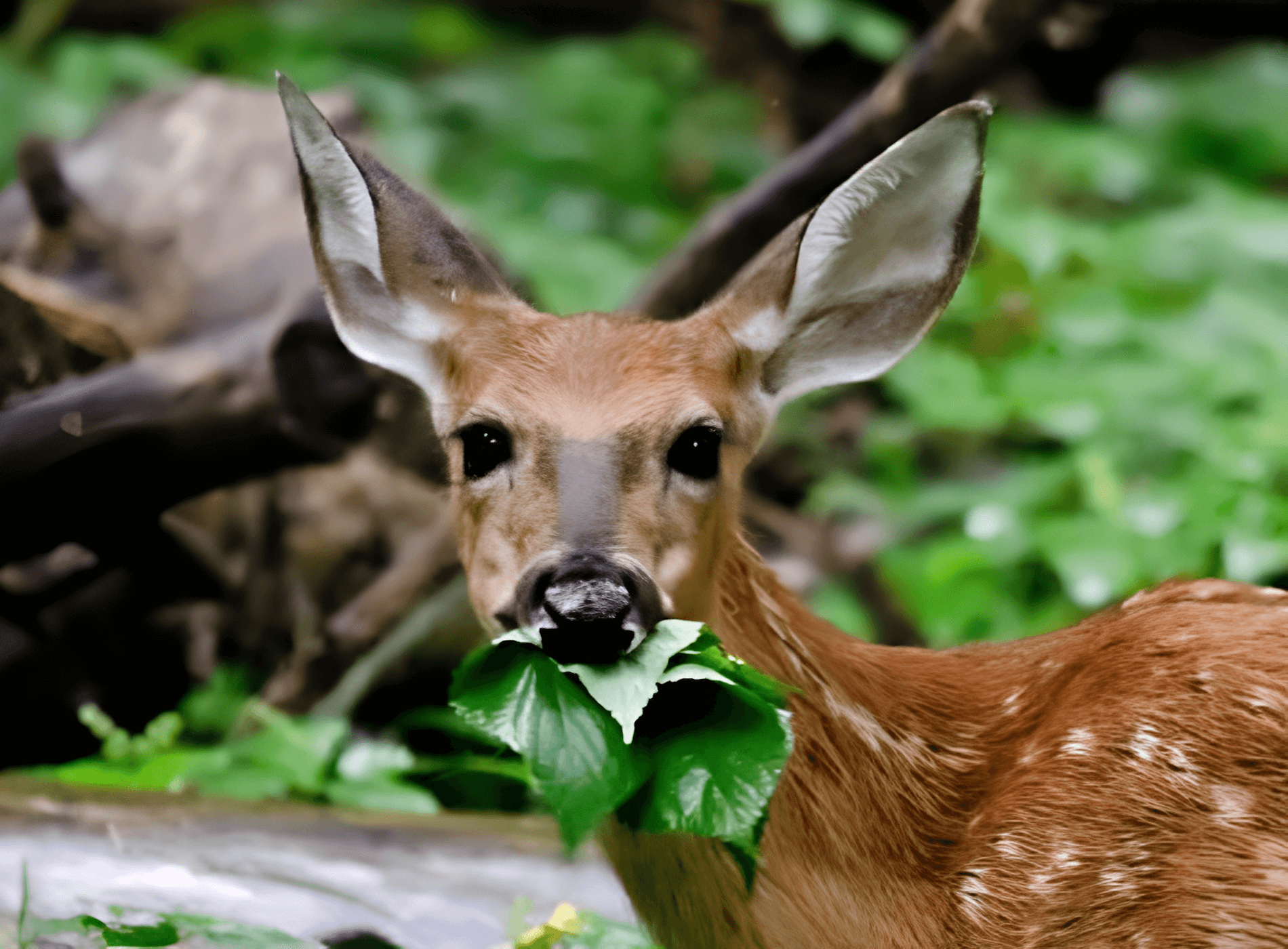
There was a massive deer standing inside my tiny garden space.
Not politely nearby. Not sniffing. Hovering. Antlers wide and unapologetic, head buried where my dreams used to be. It looked up at me, chewing slowly, like it was offended I’d interrupted breakfast.
I lost my mind.
I banged pots. I screamed. I clanged lids together like a deranged kitchen witch chasing wildlife. Eventually, the deer bounded away—casual, unbothered, victorious.
I rushed to the garden and my heart dropped.
Not nibbled. Gone.
Worse than that, the deer had trimmed the plants down by at least a foot. Stems snapped. Branches shortened. What had been proud, flowering plants now looked like victims of a terrible haircut.
I stood there, devastated. Months of anticipation erased in one quiet morning. No flowers meant no peppers. No peppers meant the whole thing was a waste. I watered them once more out of obligation, not hope.
And then I stopped looking.
Life moved on. I forgot about my little garden, assuming it would slowly limp along until I pulled everything out in shame.
A few weeks later, my neighbor leaned over the fence and asked, “What did you do to your peppers?”
I almost laughed.
I walked over to the garden.
And I couldn’t believe what I saw.
All ten plants had exploded with growth.
Where there had once been a single main stem, there were now branches—lots of them. Thick, strong, confident branches shooting out in every direction. The plants weren’t two feet tall anymore. They were pushing three. And instead of a few flowers, there were hundreds. Clusters upon clusters. Some already setting tiny green peppers.
The garden looked better than it ever had.
That deer—the villain of my gardening story—had accidentally done something extraordinary.
It had pruned my plants.
Hard.
And peppers, it turns out, love being pruned.
By eating the flowers and cutting the plants back, the deer forced them to redirect energy. Instead of stretching upward and flowering timidly, the plants went into survival mode. They branched. They strengthened. They multiplied their growing points. And once they recovered, they didn’t just resume flowering—they overperformed.
Here’s the lesson I learned the hard way:
In gardening, severe pruning can trigger stronger growth, better structure, and higher yields—especially in peppers. Cutting back a leggy plant encourages branching. More branches mean more flowers. More flowers mean more fruit.
But the lesson didn’t stop in the garden.
I realized how quickly I had given up. How final my disappointment had been. How I assumed the story was over just because something went wrong in a dramatic, visible way.
Those plants didn’t need sympathy.
They needed time.
And they needed me not to interfere.
By the end of the season, I harvested more peppers from that six-square-foot patch than I ever thought possible. I gave bags away. I froze some. I cooked constantly. The same neighbor who’d questioned my “fertilizer” came back to ask if I had extra.
Now, every time something eats my flowers—or life trims something back unexpectedly—I think of that deer. I think of my crushed optimism. And I think of how wrong I was.
Because sometimes, something eating your flowers isn’t the end of the story.
Sometimes, it’s the beginning of a much better one.
Sometimes the garden leaves clues instead of answers. Curious kids, stubborn tomatoes, and carrots with a sense of humor all have something to teach us—if we’re paying attention.